



You started testosterone replacement therapy (TRT) expecting to notice improvements in your energy, libido, mood, and motivation after your first month. Three months later, your testosterone result may look better, but you still do not feel noticeably different.
This can happen. It does not necessarily mean TRT has failed. Some effects of testosterone treatment can appear within the first few weeks, while changes in erections, strength, body composition, and bone health may take considerably longer [1].
This article explains what the evidence shows about TRT after three months, why some symptoms may persist, and what should be reviewed before treatment is tweaked or changed.
- Should TRT be working after three months?
- Why isn’t my TRT working?
- Your testosterone levels may still be too low
- Your monitoring blood test was taken at the wrong time
- Your total testosterone looks fine, but your free testosterone doesn’t
- Your symptoms may have more than one cause
- Erectile dysfunction may need separate treatment
- Oestradiol or another hormone may need reviewing
- The original diagnosis may need revisiting
- Your expectations may not match what TRT can realistically do
- Can lifestyle changes help TRT work better?
- What should happen at your three-month TRT review?
- Should your TRT dose be increased?
- When should a lack of improvement become a concern?
Should TRT be working after three months?
There is no single point by which every man should feel better. Testosterone affects several different tissues and body systems, and each respond at its own pace.
Research suggests that sexual interest may begin to improve at around the three-week mark, although the physical changes can take up to six months. Mood changes may continue developing for several months, and improvements in lean mass, fat mass, and strength also tend to be gradual rather than dramatic [1].
However, these timelines describe when an effect may become detectable across groups. They do not guarantee that every individual will experience the same benefit.
A reasonable evidenced-based timeline:
- Weeks 3–6: There may be early changes in libido, energy, sleep, mood, and motivation
- Weeks 6–12: Improvements in sexual function, confidence, physical drive, and general wellbeing may become clearer
- Months 3–6: Strength and body composition may begin to shift, especially if TRT is combined with regular exercise
- Months 6–12: Sexual function and body composition can continue to improve, alongside changes in blood sugar control and cholesterol
- After 12 months: Longer-term benefits, such as improvements in bone density, may become more noticeable
Current guidance recommends an initial clinical review at three months as sexual symptoms may be improving by then, followed by a further review at six months if there’s still no meaningful change in libido, sexual function, muscle function, or body fat [2,3].
Why isn’t my TRT working?
Here are eight common reasons we talk our patients through if they feel their TRT isn’t as effective as they expected.
1. Your testosterone levels may still be too low
Your prescribed dose may not yet provide enough testosterone, or your levels may fall too low before your next dose. This is particularly relevant with injectable treatments, where testosterone can peak after an injection and then decline towards the end of the dosing interval.
Gels and creams can also produce variable absorption. Application techniques, skin characteristics, washing too soon after applying the product, or missing applications can all influence how much testosterone enters your bloodstream.
Your clinician may need to adjust the dose, frequency, or preparation, but this decision should be based on correctly timed blood results, symptoms, and safety markers rather than symptoms alone.
2. Your monitoring blood test was taken at the wrong time
For short-acting injections, clinicians often assess a trough level by testing shortly before the next dose is due. If you use creams or gels, taking a blood test two to four hours after application could affect the results.
Before changing treatment, your specialist should confirm:
- When you took or applied your last dose
- Whether you followed your usual routine
- Whether the sample timing matched the formulation
- Whether any doses were delayed or missed
3. Your total testosterone looks fine, but your free testosterone doesn’t
Total testosterone measures all the testosterone circulating in your blood. Much of it is attached to proteins, particularly sex hormone-binding globulin (SHBG).
Free testosterone is the smaller proportion that isn’t tightly bound and is more readily available to your tissues. This means two men with the same total testosterone result may have very different free testosterone levels.
High or low SHBG can alter the relationship between total and free testosterone. That’s why your clinician may consider total testosterone, SHBG, albumin, and calculated free testosterone together, rather than relying on one number.

4. Your symptoms may have more than one cause
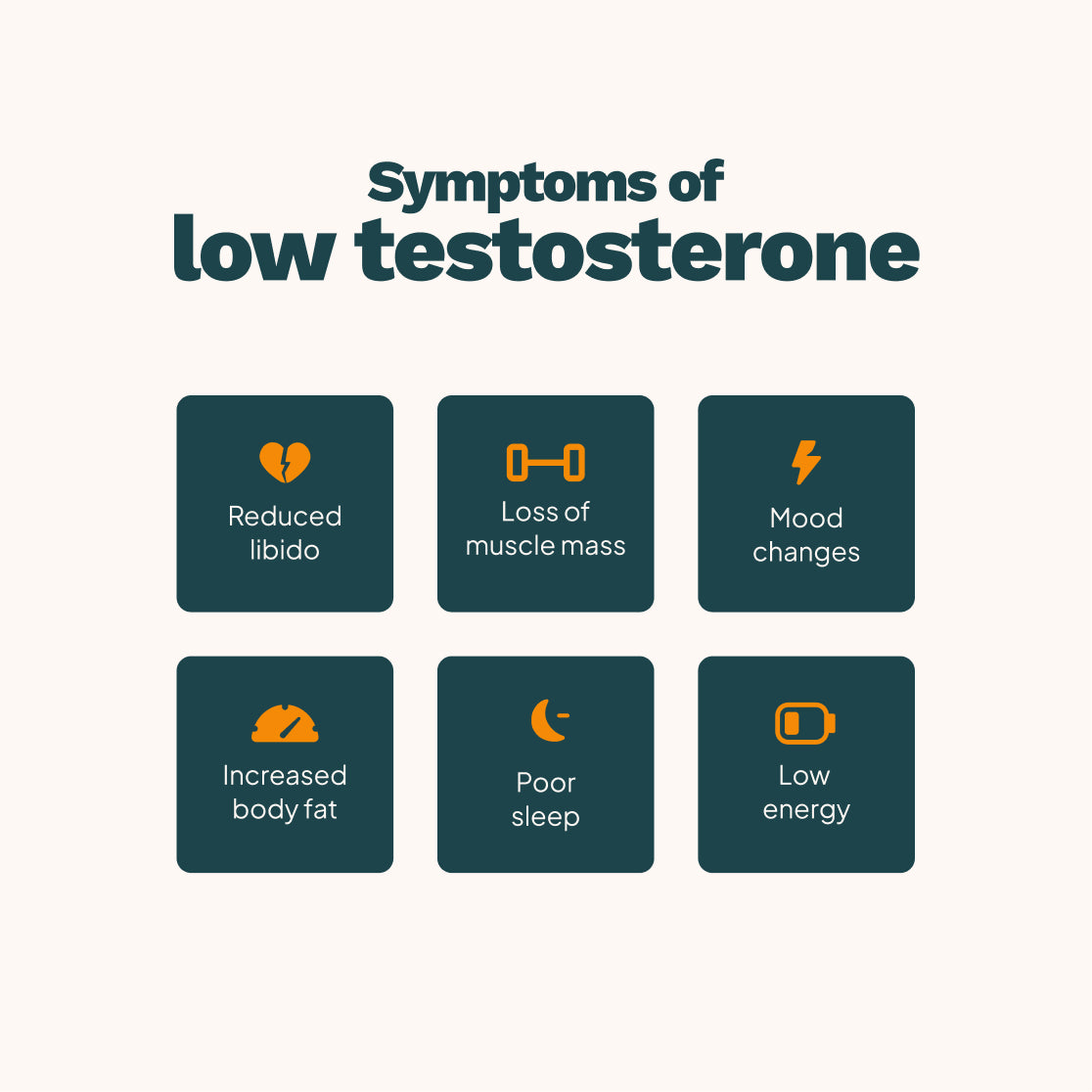
Low libido, tiredness, erectile difficulties, low mood, poor concentration, and reduced motivation can occur with testosterone deficiency. However, they aren’t exclusive to it, and should be interpreted alongside your wider medical health, medications, and biochemical results
Similar symptoms can be caused or worsened by:
- Poor sleep or sleep apnoea
- Thyroid problems
- Anaemia or nutrient deficiencies
- Type 2 diabetes or insulin resistance
- Obesity
- Depression, anxiety, or prolonged stress
- Cardiovascular disease
- Alcohol or recreational drug use
- Prescription medicines, including some antidepressants, opioids, and other drugs that affect sexual function or the hormone axis
TRT can correct testosterone deficiency, but it can’t automatically correct every other condition producing similar symptoms.
5. Erectile dysfunction may need separate treatment
TRT may improve libido and milder erectile dysfunction in men who have confirmed testosterone deficiency. However, erections depend on much more than testosterone. Healthy blood vessels, nerves, psychological arousal, medication effects, and metabolic health all play a part.
Men with diabetes, obesity, cardiovascular risk factors, or more severe erectile dysfunction may experience a smaller improvement from TRT alone. Some may also need investigation and treatment specifically for erectile dysfunction.
6. Oestradiol or another hormone may need reviewing
Some testosterone is naturally converted into oestradiol. Oestradiol is important for libido, mood, bone health, and sexual function in men, so the aim isn’t to eliminate it.
Some men develop symptoms alongside a significant rise in oestradiol, while others feel completely well with a result above the standard male reference range. Equally, suppressing oestradiol too far can contribute to joint pain, poor libido, low mood, and reduced bone health.
Prolactin may also be relevant when low libido or erectile difficulties persist, particularly if it was raised before treatment or if there are other suggestive symptoms.
Hormone results shouldn’t be treated in isolation. A higher oestradiol result doesn’t automatically mean you need an aromatase inhibitor to lower levels, and adding medication without a clear clinical reason can create further problems.
7. The original diagnosis may need revisiting
TRT is most likely to help when there are relevant symptoms alongside consistently low testosterone results. It’s recommended to confirm testosterone deficiency biochemically and investigate whether it originates from the testes, pituitary, hypothalamus, medication, illness, or another cause.
When testosterone levels have normalised, but symptoms haven’t changed, it’s reasonable to reconsider:
- Whether testosterone deficiency was the main cause
- Whether another condition is present alongside it
- Whether the symptoms being monitored are specific enough
- Whether the treatment has produced an adequate and consistent testosterone level
- Whether the benefits justify continuing treatment
This doesn’t necessarily mean the diagnosis was wrong. It means the wider clinical picture deserves another look.
8. Your expectations may not match what TRT can realistically do
TRT isn’t a stimulant, fat burner, antidepressant, or shortcut to an athletic physique. It’s a treatment intended to restore deficient testosterone to a healthy physiological range.
It may make it easier to recover from exercise, maintain sexual desire, and feel more engaged with life, but diet, resistance training, sleep, stress, and underlying health still matter.
Research shows that TRT can reduce fat mass, but changes on the scales may be limited because muscle gain and fat loss can occur together. Improvements in mood and physical function can also be modest, particularly where symptoms have several causes [2].
The goal should be meaningful symptom improvement and safe hormone levels, not necessarily feeling transformed overnight.
Can lifestyle changes help TRT work better?
TRT can correct testosterone deficiency, but poor sleep, excess body fat, inactivity, stress, and other health conditions may still affect your energy, mood, libido, and body composition.
Lifestyle changes won’t replace TRT or restore natural testosterone production while you’re taking it, but they can support better overall results.
Focus on:
- Maintaining a healthy weight to support metabolic health and reduce the effects of obesity-related low testosterone
- Combining resistance and cardiovascular exercise to improve strength, fitness, and body composition
- Prioritising sleep, as poor sleep can lower testosterone and worsen fatigue, mood, and libido
- Getting possible sleep apnoea assessed if you snore heavily or feel persistently tired during the day
- Eating a balanced, protein-rich diet rather than relying on restrictive diets or “testosterone boosters”
- Reviewing alcohol, smoking, stress, and medication, which may continue to affect how you feel
What should happen at your three-month TRT review?
A correctly conducted review should examine both effectiveness and safety.
Your doctor will usually consider:
Your symptoms
Which symptoms have improved, stayed the same, or worsened? Libido, morning erections, erectile function, energy, mood, concentration, sleep, strength, and recovery may all follow different timelines.
Keeping a short symptom diary can be more useful than trying to remember how you felt three months ago.
Your testosterone level
The result should be interpreted according to your preparation, dose, frequency, and the timing of the sample. Total testosterone may also need to be considered alongside SHBG and calculated free testosterone.
Your treatment routine
Your doctor will want to know how treatment is going day to day, including whether you’ve missed any doses, how you’re injecting or applying your testosterone, or any side effects you’ve noticed. You’ll also be asked whether anything else has changed since starting TRT, such as your medication, weight, alcohol intake, or general health.
Safety markers
Your doctor will monitor both testosterone and haematocrit while you’re on TRT, with PSA checks where they’re appropriate for you. Haematocrit matters because testosterone can increase red blood cell production, and if it rises too much, your treatment may need to be reviewed.
Our first-year pathway includes monitoring at six weeks and complete TRT blood testing at three and six months, with additional testing where treatment changes are required.
Should your TRT dose be increased?
Persistent symptoms don’t always mean your dose is too low. Increasing testosterone without reviewing your blood results and treatment routine may push levels unnecessarily high while leaving the real cause of your symptoms untreated.
Excessive testosterone exposure can increase the likelihood of acne, fluid retention, mood changes, raised oestradiol, and elevated haematocrit. It can also further suppress sperm production and fertility.
Depending on the findings, your doctor might:
- Adjust the dose
- Change the dosing interval
- Review your application or injection technique
- Switch to another testosterone preparation
- Investigate another medical cause
- Treat erectile dysfunction separately
- Continue the current plan for longer
- Discuss stopping TRT if an adequate trial hasn’t produced a worthwhile benefit
Don’t change your dose, injection frequency, or other hormone medication without speaking to your prescriber.
When should a lack of improvement become a concern?
Three months without a dramatic improvement doesn’t prove TRT has failed, particularly if you’re waiting for changes in body composition, erections, strength, or bone health.
However, contact your TRT clinician sooner if:
- Your symptoms are getting worse
- Your testosterone level remains low despite treatment
- You’re experiencing significant mood changes
- You develop breast tenderness, marked swelling, severe acne, or troubling urinary symptoms
- You’ve developed headaches, breathlessness, flushing, or other symptoms alongside a high haematocrit
- You’re concerned about fertility
- You’re experiencing side effects that affect your quality of life
TRT should be judged by more than a single blood result. The aim is to find a treatment plan that safely improves your symptoms, fits your wider health needs, and gives you a meaningful benefit over time.
Not sure where to start? Use our simple Get Started tool.

-
Saad, F., Aversa, A., Isidori, A.M., Zafalon, L., Zitzmann, M. and Gooren, L. (2011) ‘Onset of effects of testosterone treatment and time span until maximum effects are achieved’, European Journal of Endocrinology, 165(5), pp. 675–685.
-
European Association of Urology (2026) ‘Male hypogonadism’, in EAU Guidelines on Sexual and Reproductive Health. Arnhem: European Association of Urology.
-
Hackett, G., Kirby, M., Rees, R.W., Jones, T.H., Muneer, A., Livingston, M. et al. (2023) ‘The British Society for Sexual Medicine guidelines on male adult testosterone deficiency, with statements for practice’, World Journal of Men’s Health, 41(3), pp. 508–537.

Share:
HCG: what it does and whether you need it
TRT but still tired? 7 reasons you may not feel better yet