


Erectile dysfunction (ED) is common, and not just in older men. It can happen in your 30s and 40s, and in many cases, it’s linked to underlying health factors like blood flow, hormones, or lifestyle.
The key thing to understand is this that ED isn’t just about sex. It’s often a signal about your overall health and, importantly, something you can take action on.
What is erectile dysfunction?
Erectile dysfunction is when you regularly struggle to get or maintain an erection firm enough for sex.
Occasional issues are normal. Stress, alcohol, poor sleep, or anxiety can all affect performance from time to time.
But if it’s happening consistently, it’s usually linked to something more.
Signs of erectile dysfunction
You may be experiencing ED if you regularly notice:
- Difficulty getting an erection
- Trouble maintaining an erection
- Reduced sex drive
Other related symptoms can include:
- Premature ejaculation
- Delayed ejaculation
- Difficulty reaching orgasm
What causes erectile dysfunction?
ED is usually caused by a combination of factors.
The most common causes of ED include:
1. Blood flow and cardiovascular health
Erections rely on healthy blood flow. Conditions like:
- High cholesterol
- High blood pressure
- Cardiovascular disease
- Diabetes
…can all affect circulation and lead to ED.
2. Hormones (including low testosterone)
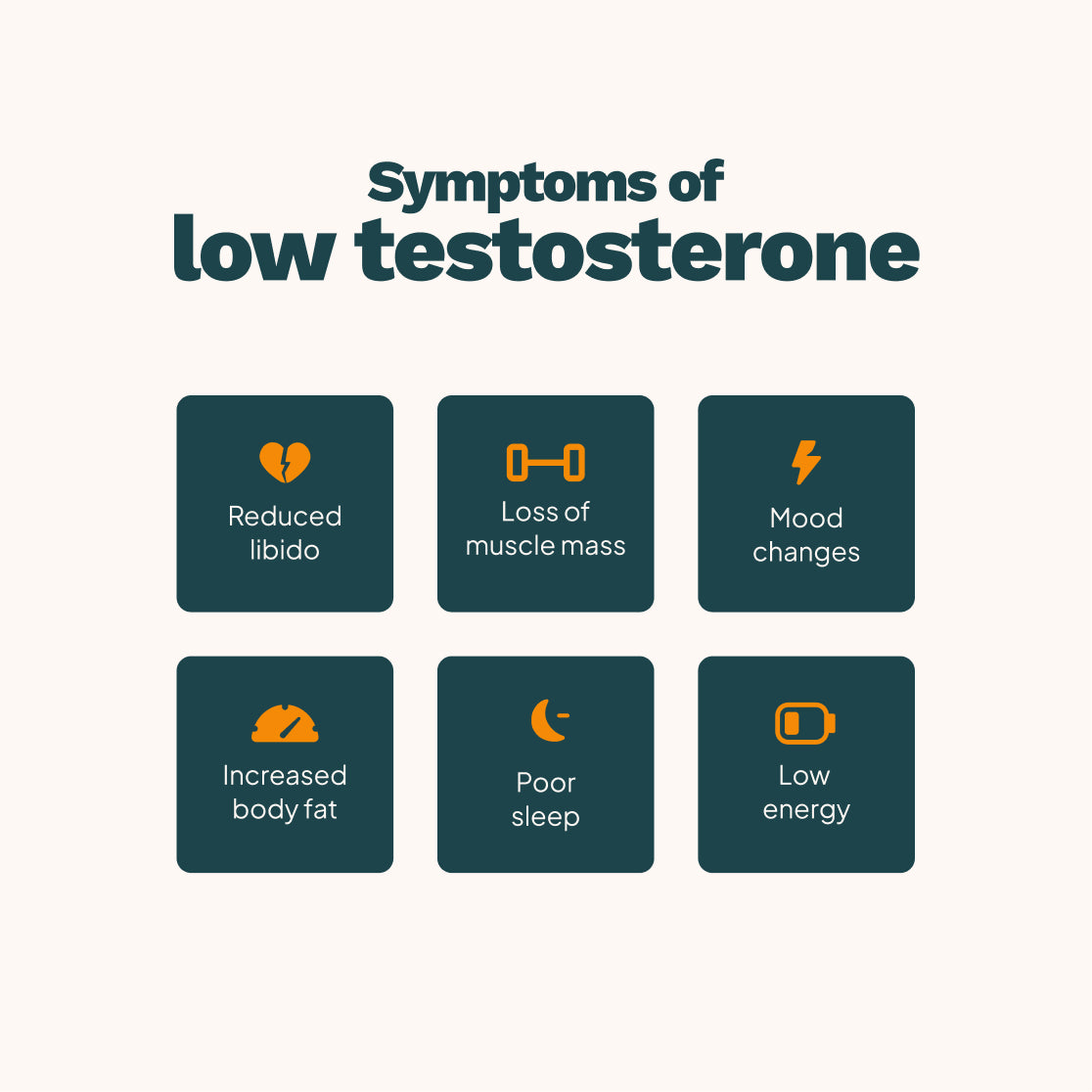
Low testosterone (also known as testosterone deficiency (TD)) can affect:
- Libido
- Energy levels
- Erectile function
If you’re noticing symptoms like low sex drive, fatigue, or reduced performance, it may be worth exploring your hormone levels.
Learn more about low testosterone (TD) and how it affects your health.
3. Mental health
Stress, anxiety, and low mood can all contribute to ED, and often make physical causes worse.
You can find support and information on mental health, including symptoms and treatments, on the NHS website.
4. Lifestyle factors
- Smoking
- Excess alcohol
- Being overweight
- Low activity levels
These all impact blood flow, hormone balance, and overall health.
Other causes:
- Age (risk increases over time)
- Previous injury or surgery
- Relationship stress
- Conditions like Peyronie’s disease
When should you take action?
If ED is happening regularly, getting worse, or affecting your confidence or relationships, it’s time to look into it.
Not because it’s unusual, but because it’s often linked to things you can improve or treat.
How ED is assessed
A clinician will usually:
- Ask about your symptoms and lifestyle
- Check key health markers (like blood pressure)
- Recommend tests if needed
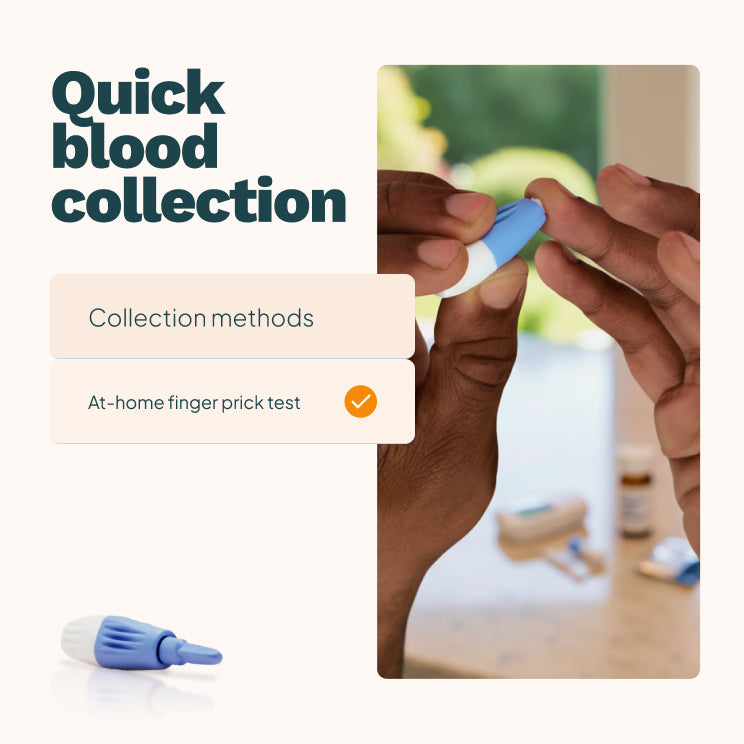
Blood tests can help identify underlying causes such as:
- Low testosterone
- High cholesterol
- Blood sugar issues
You can book a consultation to talk about ED by filling out our male enquiry form.
Treatment options for erectile dysfunction
Treatment depends on the cause, but most men have options.
1. Medication
Treatments like sildenafil (Viagra) improve blood flow and work for many men.
2. Addressing hormone imbalance
If low testosterone is contributing, treatment may involve testosterone replacement therapy (TRT).
TRT can help improve:
- Libido
- Energy
- Erectile function (in some cases)
Explore whether TRT is right for you.
3. Treating underlying health issues
Managing cholesterol, blood pressure, or diabetes can improve symptoms over time.
4. Psychological support
If stress or anxiety is a factor, therapies like CBT or sex therapy can help.
How to improve ED naturally
Lifestyle changes can make a meaningful difference:
- Move more - Exercise improves blood flow and cardiovascular health—both essential for erections.
- Improve your diet - A heart-healthy diet supports circulation and hormone balance.
- Reduce alcohol - Heavy drinking directly affects erectile function.
- Stop smoking - Smoking damages blood vessels, including those involved in erections.
- Manage stress - Chronic stress disrupts the signals between your brain and body.
- Maintain a healthy weight - Excess weight is strongly linked to ED and low testosterone.
ED and your long-term health
Erectile dysfunction is often linked to vascular health.
In some cases, it can be an early sign of:
- Cardiovascular disease
- Poor metabolic health
What to do next
If ED is happening regularly:
- Speak to a clinician - You can mention it to your Leger clinician as part of a TRT consultation or talk to us about a dedicated ED call.
- Check key markers like testosterone, cholesterol, and blood sugar
- Take action on any underlying issues
Erectile dysfunction is common, treatable, and often linked to your wider health.
The most effective approach is simple: understand the cause, take action early, and address what’s driving it.

Share:
Peptides for muscle growth and fat loss: what the evidence says
TRT vs steroids: what you need to know