

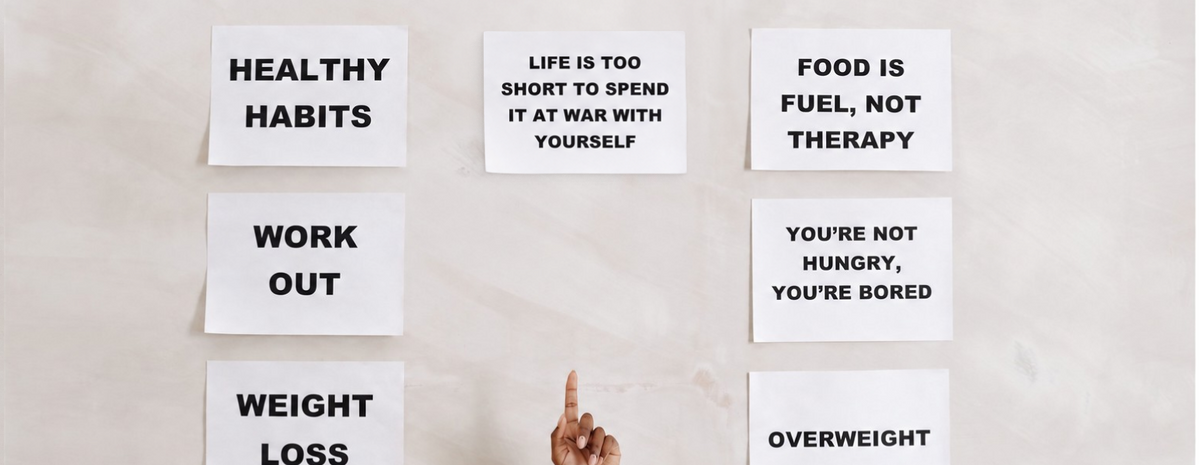

Ask a man why he wants to lose weight and “to be healthier” might be the obvious answer. But is it the whole story?
Maybe your clothes have started to feel tighter. You’re more out of breath on the stairs than you used to be. You don’t like how you look in photographs, or a recent blood pressure reading has made you think more seriously about your health. Often, there isn’t one reason at all.
And there’s no hierarchy of “good” reasons. Wanting to look better isn’t just vanity. Wanting to move more comfortably can matter as much as improving a health marker. Confidence, everyday comfort, your sex life, and keeping up with your children are all perfectly valid reasons to make a change.
So, what actually motivates men to lose weight and what helps that motivation last? This article explores the psychology of male weight loss. It explains why men choose to change. It also shows how to do it safely and realistically. We’ll also look at where prescribed weight loss medication may fit.
- Why do men want to lose weight?
- Men want to look better
- Men want to feel better
- Men want to be healthier
- Weight loss motivation
- Why men don’t talk about weight loss
- What does losing weight properly mean?
- Is weight loss medication “cheating”?
- What about weight loss injections for men?
Why do men want to lose weight?
The neat answer is to be healthier, but the honest answer is usually more complicated.
Research suggests that men’s reasons for losing weight are often a mixture of health and personal priorities. A 2023 study found that better health was a common goal. Men were often guided by advice from a healthcare professional [1]. A separate UK study found that appearance, body confidence, and self-esteem also mattered. Earlier research showed that a diagnosis or worry about future health could give the first push to act [2,3].
Together, they suggest that health concerns may start the process, while looking better, feeling more confident, and moving more comfortably make the goal personally meaningful.
Online conversations provide more context, with men describing wanting to:
- Buy clothes more easily
- Feel comfortable in photographs
- Walk farther
- Improve their confidence
- Reduce their blood pressure
- Be more present for their families
These aren't competing answers. They're different versions of the same wish – to feel more at home in your body and your life.
Men want to look better
Appearance is one of the most straightforward reasons to lose weight, and it doesn't need an apology. Clothes that fit properly, feeling comfortable on holiday, or taking your shirt off without thinking about your stomach, can all change how you carry yourself.
For some men, the goal is a smaller waist rather than a particular number on the scales. Waist size gives useful information about belly fat that body mass index (BMI) alone can miss. However, it cannot tell you exactly how much visceral fat you have. Your waist can also shrink while the scales move slowly, especially if you're exercising and preserving muscle.
Wanting to change how you look can be a positive and perfectly valid weight loss motivation, provided the goal feels right for you. It becomes less helpful when you chase an ideal image, compare your body to someone else’s, or follow an extreme diet.
This is often to meet an unrealistic deadline.
Progress doesn’t have to mean visible abs – feeling more energetic and seeing your waist reduce can matter just as much.
Men want to feel better
Wanting to feel better is a vague idea. Most men mean something practical. They want fewer awkward movements, more stamina and confidence, better sleep, and enough energy after work to do more than sit down.
Weight loss can make movement more comfortable, particularly when excess weight is adding mechanical strain.
In a study of older adults with knee osteoarthritis, every kilogram of weight lost was associated with roughly four kilograms less compressive force through the knee per step [4]. That figure should not apply to every man or every joint. But it shows why even small changes can make a real difference.
Fitness can improve even before your appearance changes. Walking farther and faster, recovering more quickly after activity, lifting with better control, or playing with your children without needing to stop may be more motivating than a distant goal weight.
The Football Fans in Training trial is a good example.
In it, 747 men joined a programme run through Scottish professional football clubs. At 12 months, the group lost an average of 4.94 kg more than the control group. They also improved waist size, blood pressure, physical activity, diet, and wellbeing.
The results concluded that the setting and sense of belonging mattered, not just the information provided [5].
Weight loss isn't a guaranteed cure for tiredness, low mood, poor confidence, or sleep problems.
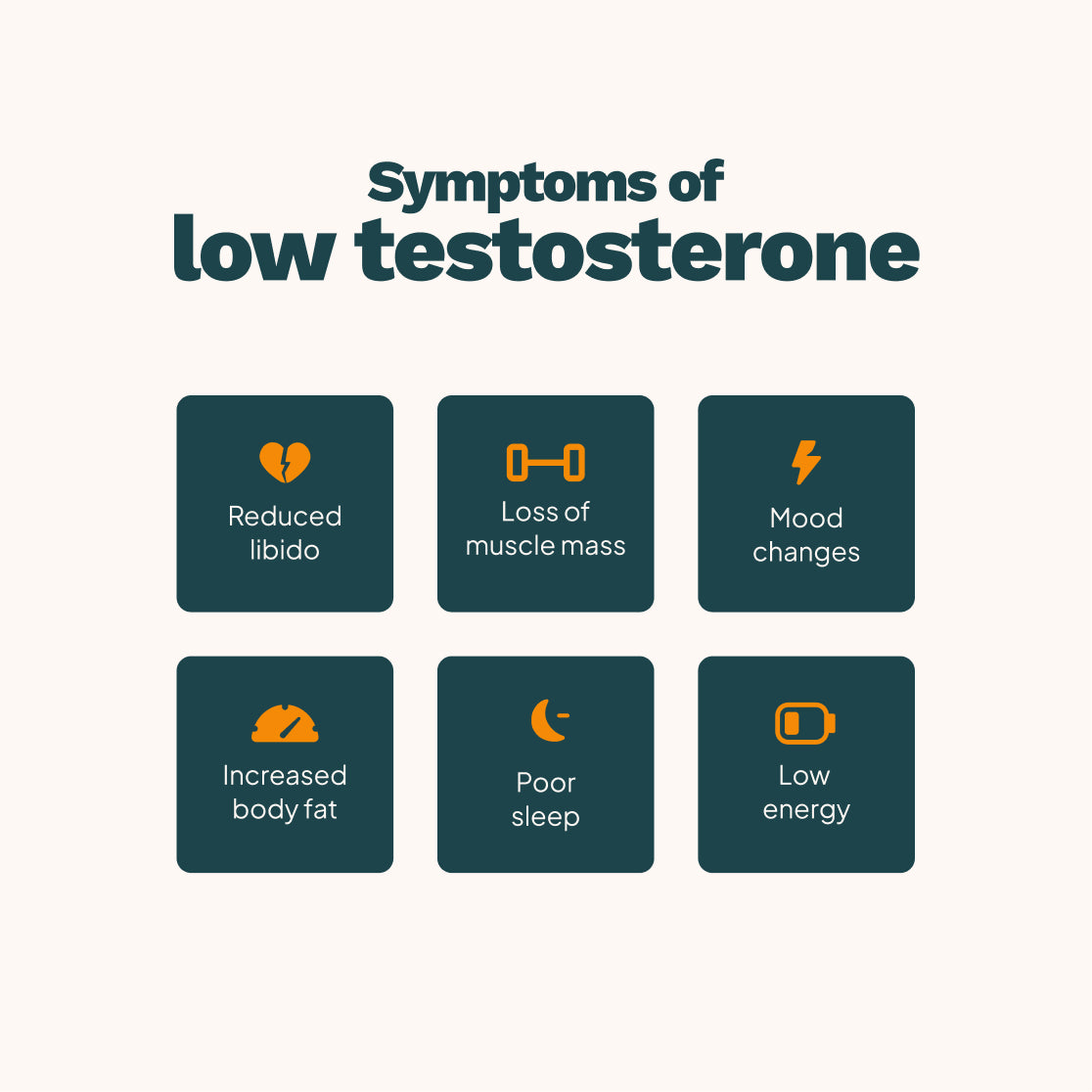
Persistent fatigue can have many causes, including:
- Sleep apnoea
- Anaemia
- Thyroid problems
- Depression
- Medication effects
- Low testosterone
Likewise, mental-health symptoms deserve proper attention rather than being reduced to body weight. Losing weight may help some parts of day-to-day life, but unexplained or ongoing symptoms still need assessment.
Men want to be healthier
Health can be a strong reason to act, especially after a GP warning or a surprise blood test result. The latest Health Survey for England found that 70% of men were overweight or living with obesity, compared with 62% of women. However, the research also suggested that only 38% of men were actively trying to lose weight, compared with 52% of women [6].
Carrying excess weight, particularly around the waist, can increase the likelihood of:
- High blood pressure
- Insulin resistance
- Type 2 diabetes
- Abnormal blood fats
- Obstructive sleep apnoea
- Joint problems
- Heart disease
Risk also depends on smoking, alcohol, activity, age, ethnicity, family history, and where fat is stored. A sensible assessment looks beyond weight alone.
You don't have to become slim before the health benefits count.
Clinicians often consider a 5–10% weight loss a clinically meaningful target, but improvements may begin earlier. A 2025 review included 70 studies on weight loss under 5% of starting body weight. Many studies reported improvements in at least some cardiometabolic, physical, or psychosocial measures [7].
Weight loss motivation
The best reason to lose weight isn't the one that sounds most virtuous. It's the one that matters enough to influence changes.
A 2025 review found that people were more active when they felt confident in their ability. It also found they were more active when they had a reason that truly mattered to them.
This included simply enjoying the activity [8]. The authors suggested that choice and self-belief may support long-term habits better than pressure or rewards alone. Weight management isn’t the same, but the message still fits.
Motivation is easier to sustain when the goal feels personal, worthwhile, and realistic.
Your motivation may change as you make progress. You might start because you don’t feel comfortable, then find that better sleep and improved fitness become more important. Or an elevated HbA1c result may prompt you to act, while keeping up with your children becomes an unexpected reward. Motivation doesn’t need to remain the same; it simply needs to matter enough to help you take the next positive step.
It helps to turn a broad reason into something observable:
- To look better, track your waist, the fit of one item of clothing, or how comfortable you feel in photographs.
- To feel better, track a regular walk, your pace, gym performance, sleep, or how easily you manage stairs and everyday tasks.
- To achieve a healthy weight, agree on a weight loss plan with a clinician. These may include blood pressure, HbA1c, cholesterol, or waist-to-height ratio. The plan may also include weight loss medication.
Why men don’t talk about weight loss
Men are all different, but research often finds some wait to ask for weight management help. They may wait until a health scare makes the problem hard to ignore. Embarrassment, the belief that you should lose weight alone, and the idea that treatment shows weak willpower can get in the way.
In 2026, the BBC explored the silence around men using weight loss injections.
The reporter said he felt hesitant to tell people he used Wegovy. He had already lost a lot of weight through diet changes. When he asked about other men’s experiences on social media, many people replied.
More than three times as many replied in private as in public. While this is not a scientific study, it still shows concern. It suggests that some people feel uneasy about admitting they may need medical help for appetite or weight [9].
National survey data point in the same general direction. Researchers estimated that about 1.6 million adults in Great Britain had used a GLP-1 or GLP-1/GIP medication for weight loss in the past year. Reported use was 4.0% among women and 1.7% among men [10].
That difference may have several explanations, including:
- Medication eligibility
- Healthcare use
- Cost
- Reluctance to seek treatment
- Embarrassment
What does losing weight properly mean?
No single diet, supplement, or workout offers the best way to lose weight for every man. The right approach is safe and fits your health and lifestyle. It's realistic enough to keep up after the first motivation fades.
A good weight loss plan for men usually includes:
- A realistic assessment, including weight history, waist, blood pressure, current medication, sleep, alcohol, activity, and relevant blood tests.
- A small energy deficit, made through food and drink changes, such as smaller portion sizes. A strict diet you can’t sustain isn’t recommended.
- Enough protein and resistance exercise to help preserve muscle while weight falls, alongside aerobic activity for cardiovascular fitness.
- Attention to sleep and recovery, including assessment for obstructive sleep apnoea when symptoms suggest it.
- Progress measures beyond weight, such as waist, strength, fitness, blood pressure, glucose, lipids, and how you function day to day.
- A plan for difficult weeks, because travel, stress, illness, celebrations, and work deadlines are part of life, not evidence that the plan has failed.
NICE advises that weight management conversations and treatment should be individualised, non-judgemental, and built around achievable goals. It also recognises that weight regain can happen and shouldn't be framed as failure [11].
Is weight loss medication “cheating”?
Prescribed weight management medication isn't an admission of failure, and it isn't a substitute for effort. It changes some of the biological signals that influence appetite, fullness, food intake, and, depending on the medicine, gastric emptying. GLP-1 medicines, for example, build on a naturally occurring satiety signal.
The body doesn’t treat weight loss as a simple matter of eating less and trying harder. One landmark study found that several appetite-regulating hormones remained altered for a year after participants lost weight, while hunger increased [12]. The research showed that keeping weight off can become biologically harder.
Medication can help manage strong appetite signals. But it does not replace effort or healthy habits.
What about weight loss injections for men?
Medicines such as Wegovy and Mounjaro may be suitable for some men, but the right treatment depends on your:
- BMI
- Waist circumference
- Metabolic risk
- Medical history
- Current medications
- Symptoms
- Contraindications
- Treatment goals
- Ability to attend follow-up appointments.
Clinicians recommend using weight management medicines alongside a reduced-calorie diet and increased physical activity, with appropriate clinical support. Monitoring matters because side effects, hydration, nutrition, weight loss rate, and muscle preservation all require attention.
Some men may still need ongoing treatment for blood pressure, diabetes, sleep apnoea, or other conditions. Weight loss medication does not replace that care.
- Don’t buy prescription-only weight loss medicine from an unregulated seller, or share injections.
- It's important not to change the dose without medical advice.
- Seek medical help right away for severe or lasting symptoms. Tell your prescriber about all medicines and supplements you use.
Looking better, feeling better, and being healthier don't sit in a moral league table. One reason may get you started, another may keep you going, and both may change as your body and life change.
You don't need a medically impressive reason to care about your weight. But if you decide to change it, it's worth doing properly – with realistic goals, enough support, attention to muscle and nutrition, and medical input where it's needed.
A proper assessment can help you understand your options, including lifestyle support and prescribed weight-loss medication, and decide on a plan that fits your health.
Check your eligibility for weight loss medication.

References
- Susanto, A., Fuller, N.R., Hocking, S., Markovic, T. and Gill, T. (2023) Motivations for participation in weight loss clinical trials. Clinical Obesity, 13(5), e12604. (Accessed 3 September 2026).
- Broughton, M., Lymn, J.S. and Redsell, S.A. (2023) Barriers and enablers to weight management programmes for working men: a qualitative study. Health & Social Care in the Community, 2023, 7854774. (Accessed 3 September 2026).
- Elliott, M., Gillison, F. and Barnett, J. (2020) Exploring the influences on men’s engagement with weight loss services: a qualitative study. BMC Public Health, 20, 249. (Accessed 3 September 2026).
- Messier, S.P., Gutekunst, D.J., Davis, C. and DeVita, P. (2005) Weight loss reduces knee-joint loads in overweight and obese older adults with knee osteoarthritis. Arthritis & Rheumatism, 52(7), pp. 2026–2032. (Accessed 3 September 2026).
- Hunt, K., Wyke, S., Gray, C.M., Anderson, A.S., Brady, A., Bunn, C., Donnan, P.T., Fenwick, E., Grieve, E., Leishman, J., Miller, E., Mutrie, N., Rauchhaus, P., White, A. and Treweek, S. (2014) A gender-sensitised weight loss and healthy living programme for overweight and obese men delivered by Scottish Premier League football clubs (FFIT): a pragmatic randomised controlled trial. The Lancet, 383(9924), pp. 1211–1221.
- NHS England (2026) Health Survey for England, 2024: adults’ overweight and obesity. (Accessed 3 September 2026).
- Dhar, D., Packer, J., Michalopoulou, S., Cruz, J., Stansfield, C., Viner, R.M., Mytton, O.T. and Russell, S.J. (2025) Assessing the evidence for health benefits of low-level weight loss: a systematic review. International Journal of Obesity, 49(2), pp. 254–268.
- Xu, Z., Shamsulariffin, S., Azhar, Y. and Xi, M. (2025) Does Self-Determination Theory associate with physical activity? International Journal of Psychology, 60(3), e70044. (Accessed 4 September 2026).
- Peddie, S. (2026) Why don’t men talk about using weight-loss drugs?. BBC News, 17 August. (Accessed: 3 September 2026).
- Jackson, S.E., Brown, J., Llewellyn, C., Mytton, O. and Shahab, L. (2026) Prevalence of use and interest in using glucagon-like peptide-1 receptor agonists for weight loss: a population study in Great Britain. BMC Medicine, 24, 1.
- National Institute for Health and Care Excellence (2026) Overweight and obesity management. NICE guideline NG246. (Accessed 3 September 2026).
- Sumithran, P., Prendergast, L.A., Delbridge, E., Purcell, K., Shulkes, A., Kriketos, A. and Proietto, J. (2011) Long-term persistence of hormonal adaptations to weight loss. New England Journal of Medicine, 365(17), pp. 1597–1604.

Share:
Blood pressure: what losing weight can do for your heart
Belly fat in men: why where you carry weight matters