



Testosterone Replacement Therapy (TRT) can significantly improve the quality of life for men with genuine testosterone deficiency. When prescribed appropriately, it can restore energy, mood, sexual function, and metabolic health.
However, like any medical treatment, TRT carries potential risks. Questions about side effects, including long-term safety, cardiovascular risk, fertility implications, and what happens if treatment is stopped, are entirely reasonable and should be discussed before therapy begins.
In my clinical practice, the safety of testosterone therapy depends far more on correct diagnosis, appropriate dosing and careful monitoring than on the hormone itself. This article outlines what the medical evidence shows, what we observe in real-world practice, and how risks are managed responsibly.
- What are the common side effects of TRT?
- Three of the biggest concerns around TRT
- Does TRT increase cardiovascular risk?
- Does TRT cause prostate cancer?
- Long term side effects of TRT
- HCG TRT side effects
- Oral TRT side effects
- Are there side effects of stopping TRT?
- Can I take too much TRT?
- How Leger Clinic minimises TRT side effects
- FAQs on TRT side effects
What are the common side effects of TRT?
When testosterone is restored to a normal physiological range under medical supervision, most men tolerate treatment well.
However, potential common side effects of TRT, which we need to monitor for, include:
1. Increased red blood cell count (polycythaemia)
Testosterone stimulates red blood cell production. If haematocrit rises too high, it can increase cardiovascular risk.
This is why we require regular blood tests to check:
- Haematocrit
- Haemoglobin
- Full blood count
In clinical practice, this is the most important parameter to monitor.
2. Acne and oily skin
Some men experience mild acne when starting TRT, particularly in the early stages while the body adapts to restored testosterone levels. This is generally manageable and tends to settle once levels are stable. Careful dosing reduces the likelihood of more significant skin changes.
3. Fluid retention
A minority of men may experience mild, temporary water retention when starting TRT. This tends to happen during the dose-adjustment phase and usually settles without intervention as the body adapts to restored hormone levels. Significant swelling is uncommon in carefully supervised treatment.
4. Breast tenderness (oestrogen conversion)
Testosterone converts to oestradiol via aromatisation. If levels rise too much, men may experience:
- Breast sensitivity
- Mild breast swelling
In most cases, proper dosing and monitoring prevent.
5. Reduced fertility
Testosterone replacement therapy suppresses the body’s natural production of testosterone by reducing stimulation from the pituitary gland. As a result, sperm production can fall significantly during treatment, and in some men, it may be absent temporarily.
If you wish to preserve or achieve fertility, this must be discussed before starting therapy. Alternative approaches or adjunctive treatments, such as human chorionic gonadotropin (HCG), may be considered to support testicular function. In many cases, sperm production recovers after stopping TRT, but recovery time varies and cannot be guaranteed.
Careful planning is essential where future fertility is important. Read our blog on protecting fertility whilst on TRT
 .
.
If you'd like to start your TRT journey, but not sure where to start, answer a few quick questions on our get started on TRT quiz.
Three of the biggest concerns around TRT
When men search for “side effects of TRT in males”, the most worrying concerns usually centre around:
- Heart attack risk and stroke
- Prostate cancer
- Long-term dependency
Does TRT increase cardiovascular risks?
This remains one of the most debated topics in medicine.
Current evidence suggests:
- Properly prescribed TRT in men with confirmed deficiency does not increase cardiovascular risk
- Supraphysiological dosing (non-medical use) does increase risk
- Men with uncontrolled cardiovascular disease require careful assessment before treatment.
At Leger Clinic, cardiovascular risk management is part of your TRT consultation and treatment journey.
Does TRT increase prostate cancer risks?
There is no strong evidence that TRT causes prostate cancer. However:
- PSA must be checked before treatment
- PSA must be monitored regularly
- TRT is contraindicated in men with active prostate cancer
Responsible monitoring is key here, which you can read more about in our blog on TRT and PSA.
Long term side effects of TRT
The long-term side effects of TRT depend almost entirely on dose and supervision.
When levels are kept within normal physiological ranges, long-term treatment is generally well tolerated.
Potential long-term risks include:
- Persistent elevated haematocrit levels
- Worsening untreated sleep apnoea
- Testicular atrophy
- Suppression of natural testosterone production
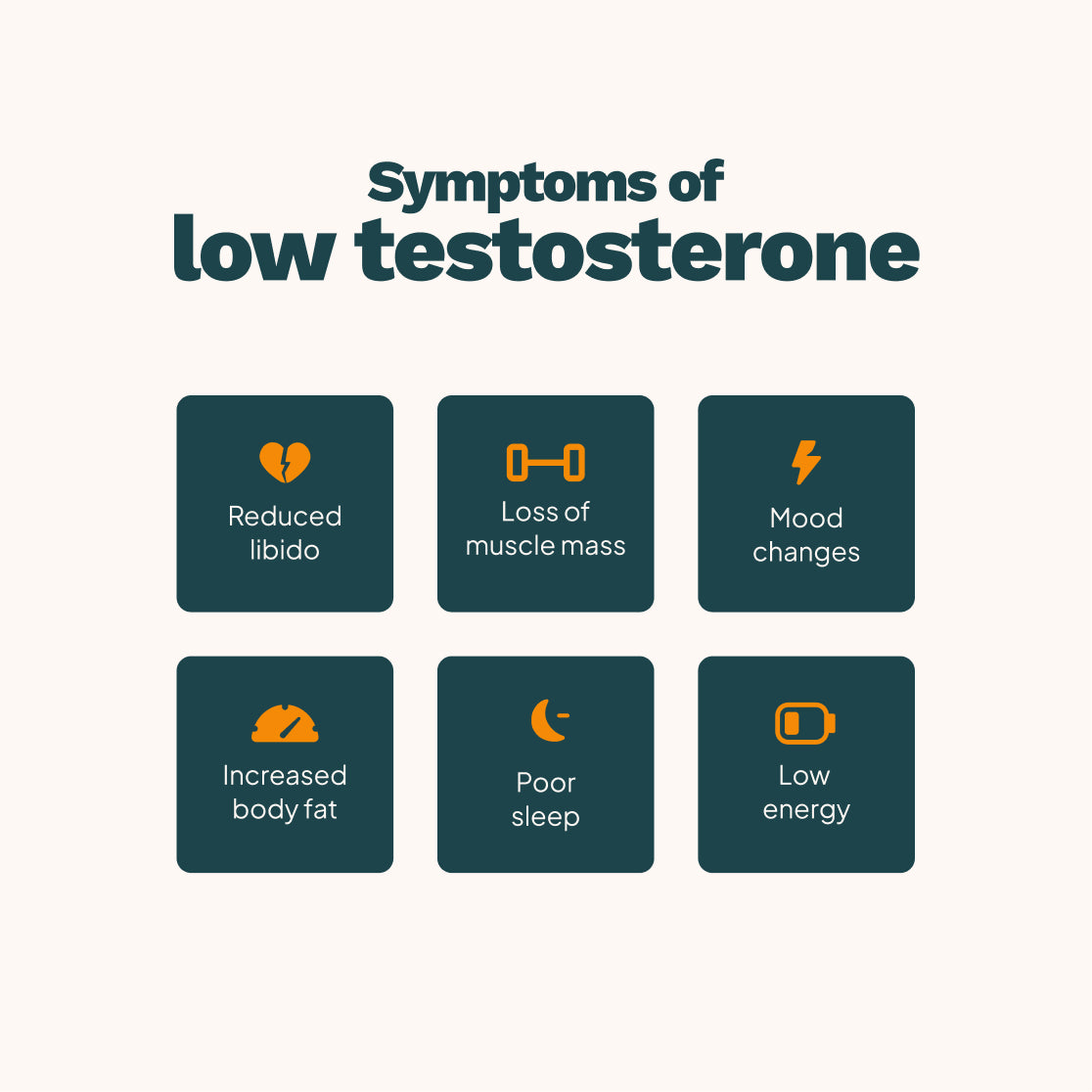
In men who genuinely require TRT, the risks of untreated low testosterone, including metabolic syndrome, osteoporosis, depression, and reduced quality of life, must also be considered.
For some men with low testosterone, TRT can help reduce symptoms of depression. Find out more about this in our blog on how TRT can help treat depression.
HCG TRT side effects
Human Chorionic Gonadotropin (HCG) may be used alongside TRT to preserve testicular function and fertility. When used appropriately, it is generally well tolerated.
Possible HCG side effects include:
- Mild fluid retention
- Mood fluctuation
- Breast tenderness
- Injection site irritation
Oral TRT side effects
Oral testosterone formulations are less commonly used in UK medical practices. Historically, oral preparations were associated with liver strain and unstable hormone levels.
Injectable testosterone remains the most predictable and stable method of replacement therapy.
You can read all about the different types of TRT here.
Are there side effects of stopping TRT?
Many patients ask about the side effects of coming off or stopping TRT. If TRT is stopped abruptly:
- Testosterone levels fall
- Deficiency symptoms may return
- Mood and energy may decline
- In some men, natural production recovers.
- In others, particularly after long-term therapy, it may not fully return.
- Stopping TRT should always be medically supervised.
Can I take too much TRT?
Excess testosterone, which is most often seen outside regulated medical practice, may cause:
- Elevated haematocrit
- High blood pressure
- Mood instability
- Lipid deterioration
- Increased cardiovascular strain
Remember, TRT is not about taking testosterone to a maximum level; it is about restoring normal physiological levels.
How Leger Clinic minimises TRT side effects
Being in the TRT field for as long as I have and following the latest science and guidance from the BSSM, means we have an evidence-based, safety-focused approach to minimise side effects.
Leger Clinic reduces any risk of side effects by: :
- Confirming deficiency before treatment
- Screening cardiovascular risk
- Checking baseline PSA
- Monitoring blood parameters regularly
- Adjusting doses carefully
- Discussing fertility planning in advance
When managed correctly, TRT is one of the most transformative treatments in men’s health.

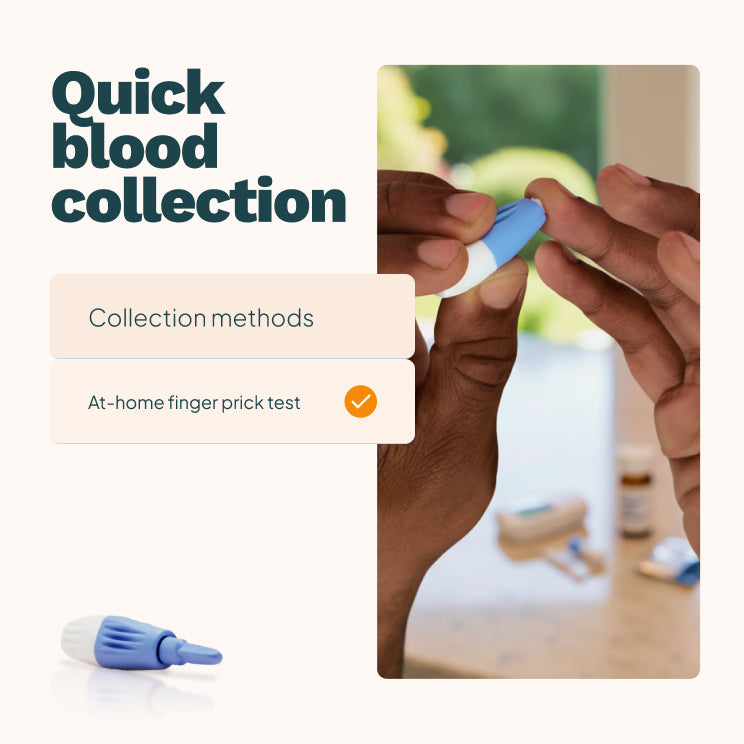
To start your journey to see if TRT is right for you, take a home Testosterone Blood Test. It's a simple finger-prick test, delivered discreetly to your home. If you haven't taken a finger-prick test before, watch our short how to take a blood test video.
FAQs on TRT side effects
Q. What are the most common side effects of TRT?
A. The most common are mild acne, increased red blood cell count, and temporary fluid retention. Serious complications are uncommon when therapy is properly monitored.
Q. Is TRT safe long term?
A. Current evidence suggests TRT is safe when prescribed appropriately to men with confirmed deficiency and monitored regularly.
Q. Does TRT increase heart attack risk?
A. There is no consistent evidence that medically supervised TRT increases cardiovascular risk in appropriately selected patients.
Q. Can TRT cause infertility?
A. Yes. TRT suppresses sperm production. Fertility should be discussed before treatment begins as there are steps we can take to protect your fertility, or delay treatment until you’ve completed your family.
Q. What happens if I stop TRT?
A. Testosterone levels will fall, and symptoms of low testosterone may return. Recovery of natural production varies between individuals and isn’t guaranteed.
Q. What’s the biggest risk of TRT?
A. The real risk with testosterone therapy is not testosterone itself. It is inappropriate prescribing and lack of monitoring.
For men with a genuine testosterone deficiency, carefully managed TRT can significantly improve:
- Energy
- Mood
- Body composition
- Sexual function
- Metabolic health
The key is expertise, experience, and ongoing supervision.
References
- Bhasin S et al. Testosterone Therapy in Men With Hypogonadism: Endocrine Society Clinical Practice Guideline. J Clin Endocrinol Metab. 2018.
- Mulhall JP et al. Evaluation and Management of Testosterone Deficiency: AUA Guideline. J Urol. 2018.
- Hackett G et al. British Society for Sexual Medicine Guidelines on Adult Testosterone Deficiency. J Sex Med. 2017.
- Morgentaler A et al. Testosterone Therapy and Cardiovascular Risk: Advances and Controversies. Mayo Clin Proc. 2016.
- Boyle P et al. Meta-analysis of Testosterone Therapy and Prostate Cancer Risk. Eur Urol. 2016.

Share:
How to take a finger-prick test for TRT
Can you stop TRT once you start it?