


If you’re a man aged between 30 and 60 who trains regularly, eats reasonably well, and still can’t shift stubborn weight – you’re not alone.
For many men, weight loss isn’t just about willpower or discipline. It’s hormonal, metabolic, and age-related. And that’s precisely why GLP-1 weight loss medications are changing the conversation.
At Leger Clinic, GLP-1 treatment is delivered through a male-focused, medically supervised service designed specifically for men's biology, hormones, and long-term health.
This article explains how GLP-1 weight loss injections and weight loss tablets work, why men lose weight differently from women, and how treatment may fit alongside testosterone replacement therapy (TRT), when appropriate.
- Doing everything right – but the weight still won’t budge?
- How do weight loss injections for men work?
- What are GLP-1 weight loss injections?
- What about weight loss tablets?
- Are weight loss tablets different from injections?
- The risks of buying GLP-1 medications online
- How GLP-1 affects appetite, cravings, and insulin
- Who are GLP-1 medications typically prescribed for?
- Why do men gain or lose weight differently?
- GLP-1 and testosterone: how they interact
- GLP-1 and TRT
- Why choose a men-only GLP-1 service?
- Is GLP-1 weight loss right for you?
Doing everything right – but the weight still won’t budge?
Many men seeking GLP-1 treatment describe the same frustration:
- You exercise regularly
- You’ve cleaned up your diet
- You’ve cut back on alcohol
- And yet your waistline keeps creeping up
This isn’t a personal failure and can often be attributed to a biological shift driven by changes in hormones, insulin sensitivity, appetite signaling, and fat storage patterns.
GLP-1 medications work by targeting these systems.
How do weight loss injections for men work?
Weight loss injections aren’t about taking shortcuts. They’re about correcting the hormonal and metabolic signals that make fat loss increasingly difficult despite real effort.
What are GLP-1 weight loss injections?
GLP-1 weight loss injections mimic the action of glucagon-like peptide-1 (GLP-1) – a gut hormone released in response to food. GLP-1 helps regulate appetite, signals fullness after eating, and plays a vital role in controlling blood sugar levels.
By influencing appetite centres in the brain, slowing the rate at which food leaves the stomach, and improving the body’s response to insulin, GLP-1 helps reduce hunger, supports better glucose regulation, and limits excess fat storage [1].
Although GLP-1 medications were originally developed to treat type 2 diabetes, large clinical trials have shown they also produce significant and sustained weight loss in people who are overweight or obese when used under medical supervision [2].
There are several licensed GLP-1 medicines available in the UK, including semaglutide (sold under the brand names Wegovy, Ozempic, and Rybelsus), tirzepatide (Mounjaro), and liraglutide (sold under various brand names) [3].
What about weight loss tablets?
Weight loss tablets are now part of the GLP-1 conversation too. In 2026, the UK approved the first GLP-1 receptor agonist tablet for weight loss and weight management: oral semaglutide. Like injectable GLP-1 treatment, it’s prescribed alongside diet, physical activity, and wider lifestyle support, not as a stand-alone fix [6].
For some men, a tablet may feel more discreet or convenient than a weekly injection. However, it still needs proper clinical assessment, safe prescribing, and ongoing monitoring. It also has specific instructions for how it should be taken, because eating or drinking too soon after taking it can reduce absorption.
Are weight loss tablets different from injections?
The main difference is how the medicine is taken. Some GLP-1 medicines are given by injection, while oral semaglutide is taken as a daily tablet. They are not automatically interchangeable, and switching between GLP-1 treatments should only be done with clinical guidance.
The risks of buying GLP-1 medications online
Buying GLP-1 weight loss injections or weight loss tablets online without a prescription carries real risks. The medication may be counterfeit, incorrectly dosed, or unsuitable for your health profile, and would be unlikely to include proper safety checks or follow-ups.
GLP-1 medications should only be prescribed after a medical assessment and supplied through a regulated provider, with appropriate dose titration and follow-up monitoring. This helps ensure the treatment is safe, effective, and tailored to your individual health needs.
How GLP-1 affects appetite, cravings, and insulin
GLP-1 plays a central role in regulating appetite, food intake, and glucose metabolism.
Appetite and satiety
GLP-1 acts on appetite centres in the brain, helping regulate hunger signals. Many men on weight loss treatment report:
- Less “food noise” (constantly thinking about food)
- Reduced snacking
- Smaller portion sizes without feeling deprived
Cravings
Cravings aren’t a lack of discipline and are often driven by insulin spikes and disrupted satiety hormones.
GLP-1 helps smooth out these signals, which is why men may notice fewer cravings for:
- Sugary, salty, or high fat foods
- Late-night snacks
- Alcohol
Insulin and fat storage
Insulin resistance is common in men with abdominal fat. When insulin doesn’t work properly, the body stores more fat – especially around the waist.
GLP-1 improves insulin sensitivity, helping the body:
- Use energy more efficiently
- Reduce fat storage
- Lower metabolic risk
Who are GLP-1 medications typically prescribed for?
GLP-1 weight loss treatment may be suitable for men who:
- Have a BMI of 30 or over, or 27 with metabolic risk factors
- Carry excess abdominal fat
- Struggle with hunger, cravings, or portion control
- Have insulin resistance or pre-diabetes
- Have not lost weight despite diet and exercise
- Are on TRT but still gaining or retaining fat
Treatment should always be personalised and clinically assessed, and not a one-size-fits-all approach.
The UK government guidance on GLP-1 medicines emphasises that they should only be used under medical supervision, following a clinical assessment of suitability, and alongside lifestyle measures such as diet and exercise. It highlights the importance of appropriate dosing, monitoring side effects, and avoiding unregulated or non-prescribed use, particularly given the increasing public demand for these treatments [3].
Read more about eligibility and how GLP-1 medications work with TRT in our weight loss guide.
Why do men gain or lose weight differently?
Men gain and lose weight differently from women, largely due to hormonal, metabolic, and fat distribution differences. Testosterone plays a central role in regulating muscle mass, fat storage, and insulin sensitivity, and declining levels are associated with increased fat mass – particularly visceral, or abdominal, fat, and a reduced metabolic rate [4].
As visceral fat increases, men may become more insulin resistant, which can encourage further fat storage and make weight loss more challenging, even with a consistent diet and exercise. For many men, this reflects underlying metabolic changes rather than simply lifestyle or behaviour alone [5].
As a result, effective weight loss in men often requires addressing underlying hormonal and metabolic factors – not just calorie intake, which is why medically supervised, tailored weight loss treatments that improve insulin sensitivity and appetite regulation can be particularly effective [1].
Lifestyle pressures can also impact weight issues in men, with modern lifestyles frequently including:
- High work stress
- Poor sleep
- Alcohol as stress relief
- Inconsistent meals
GLP-1 and testosterone: how they interact
As we’ve seen, testosterone and metabolic health are closely linked in men. Lower testosterone levels can lead to an increase in stored fat, insulin resistance, and a higher risk of type 2 diabetes – all of which can make weight loss more difficult. Excess body fat can, in turn, further suppress testosterone production, creating a self-perpetuating cycle.
GLP-1–based weight loss medications do not directly increase testosterone levels. However, by reducing visceral fat and improving insulin sensitivity, GLP-1 treatment may support healthier testosterone regulation in overweight men.
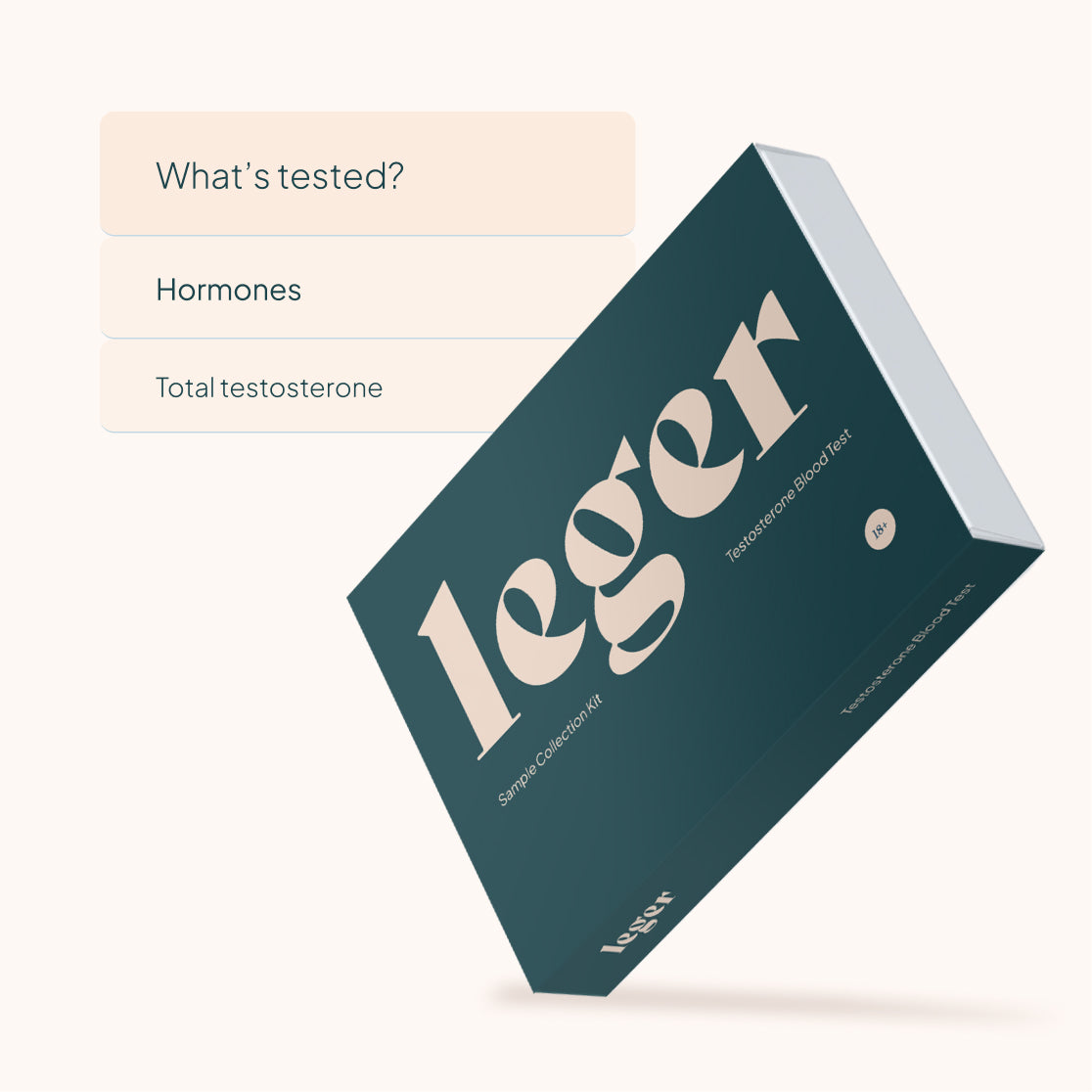
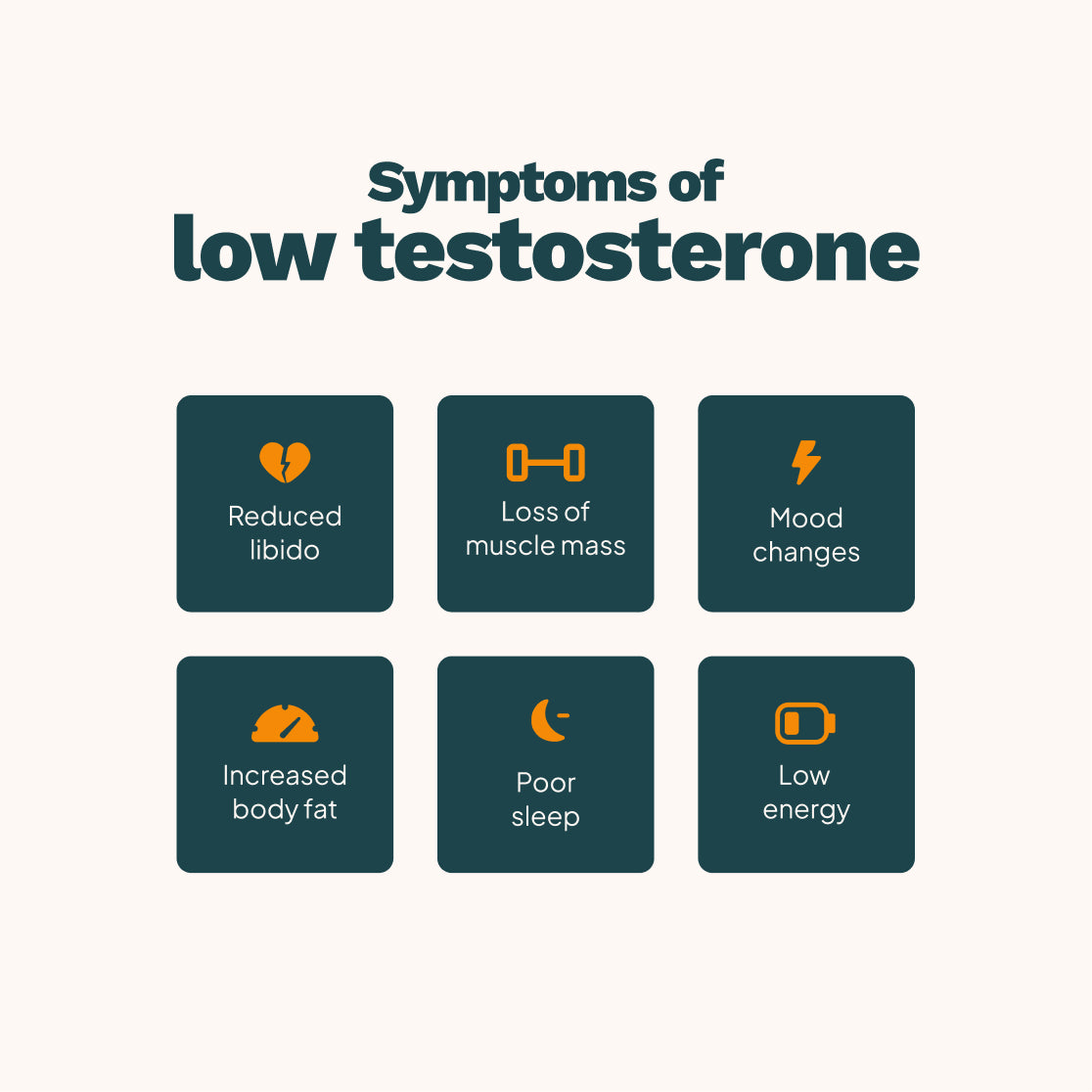
If you think you may have low testosterone levels, our simple Testosterone Blood Test can give you clarity.

GLP-1 and TRT
Many men notice improvements in energy, strength, and muscle mass on TRT, but meaningful weight loss doesn’t always follow. Long-standing insulin resistance, disrupted appetite signals, or metabolic adaptation can make fat loss difficult even when testosterone levels are well managed [4].
GLP-1 medications and TRT can be used together under medical supervision to address both hormonal deficiency and metabolic dysfunction. This combined approach can help support:
- Improved fat loss
- Better insulin sensitivity
- Preservation of lean muscle mass
- Improved energy and metabolic health
Read more in our guides to TRT and weight loss treatment for men on TRT.
Why choose a men-only GLP-1 service?
Men’s health isn’t just women’s health with a beard.
Men and women experience weight gain and metabolic dysfunction differently. Our men-only GLP-1 service is designed around these biological differences, and focus on preserving lean muscle mass, supporting metabolic health, and identifying underlying hormonal contributors to weight gain.
This is especially relevant for men already on TRT, where gains in energy or muscle tone don’t always translate into fat loss if the underlying issues remain unaddressed.
Taking a broader view of male hormonal health – including testosterone levels alongside metabolic factors, allows a men-only service to deliver more tailored, medically supervised treatment. Weight loss can be better supported in ways that are sustainable and aligned with men’s long-term wellbeing.
At Leger, GLP-1 treatment is medically supervised, personalised, and designed around male physiology – not trends or shortcuts.
Is GLP-1 weight loss right for you?
GLP-1 is worth considering if:
- You’ve tried diet and exercise with no positive results
- You feel constantly hungry or crave food despite eating well
- Your weight has increased with age
- You’re on TRT but not losing fat
- You want a clinically-proven, supervised approach to weight loss
GLP-1 injections or weight loss tablets aren’t a magic fix. But for many men, they are a powerful medical tool that works with – not against, male biology.
When combined with proper assessment, lifestyle support, and an understanding of hormones, GLP-1 treatment can help men finally see results that match their effort.
Not sure where to start? Use our simple Get Started tool.
References
- Davies, M., Færch, L., Jeppesen, O.K., Pakseresht, A., Pedersen, S.D., Perreault, L., Rosenstock, J. and Shimomura, I. (2021) ‘Semaglutide 2.4 mg once a week in adults with overweight or obesity’, Nature Medicine. (Accessed 2 February 2026).
- Wilding, J.P.H., Batterham, R.L., Calanna, S., Davies, M., Van Gaal, L.F., Lingvay, I., McGowan, B.M., Rosenstock, J., Tran, M.T.D., Wadden, T.A. and Wharton, S. (2021) ‘Once-weekly semaglutide in adults with overweight or obesity’, New England Journal of Medicine. (Accessed 2 February 2026).
- Medicines and Healthcare Regulatory Agency (MHRA) (2026) ‘GLP-1 medicines for weight loss and diabetes: what you need to know’, GOV.UK. (Accessed 3 February 2026).
- Grossmann, M. (2018) ‘Low testosterone in men with type 2 diabetes: significance and treatment’, The Journal of Clinical Endocrinology & Metabolism. (Accessed 4 February 2026).
- Hackett, G. (2019) ‘Type 2 diabetes and testosterone therapy’, World Journal of Men’s Health. (Accessed 4 February 2026).
- Medicines and Healthcare products Regulatory Agency (2026) First GLP-1 tablet for weight loss approved in the UK. Available at: https://www.gov.uk/government/news/first-glp-1-tablet-for-weight-loss-approved-in-the-uk (Accessed: 29 July 2026).

Share:
Can weight loss medications cause muscle loss?
HCG: what it does and whether you need it