


With so many testosterone replacement therapy (TRT) options to choose from, it can get confusing. From injections, creams, gels, and capsules, how do you and your doctor make the right choice?
This guide breaks down exactly what TRT is for men and the pros and cons of each type of treatment so you can make a more informed decision with your TRT expert.
What is TRT for men?
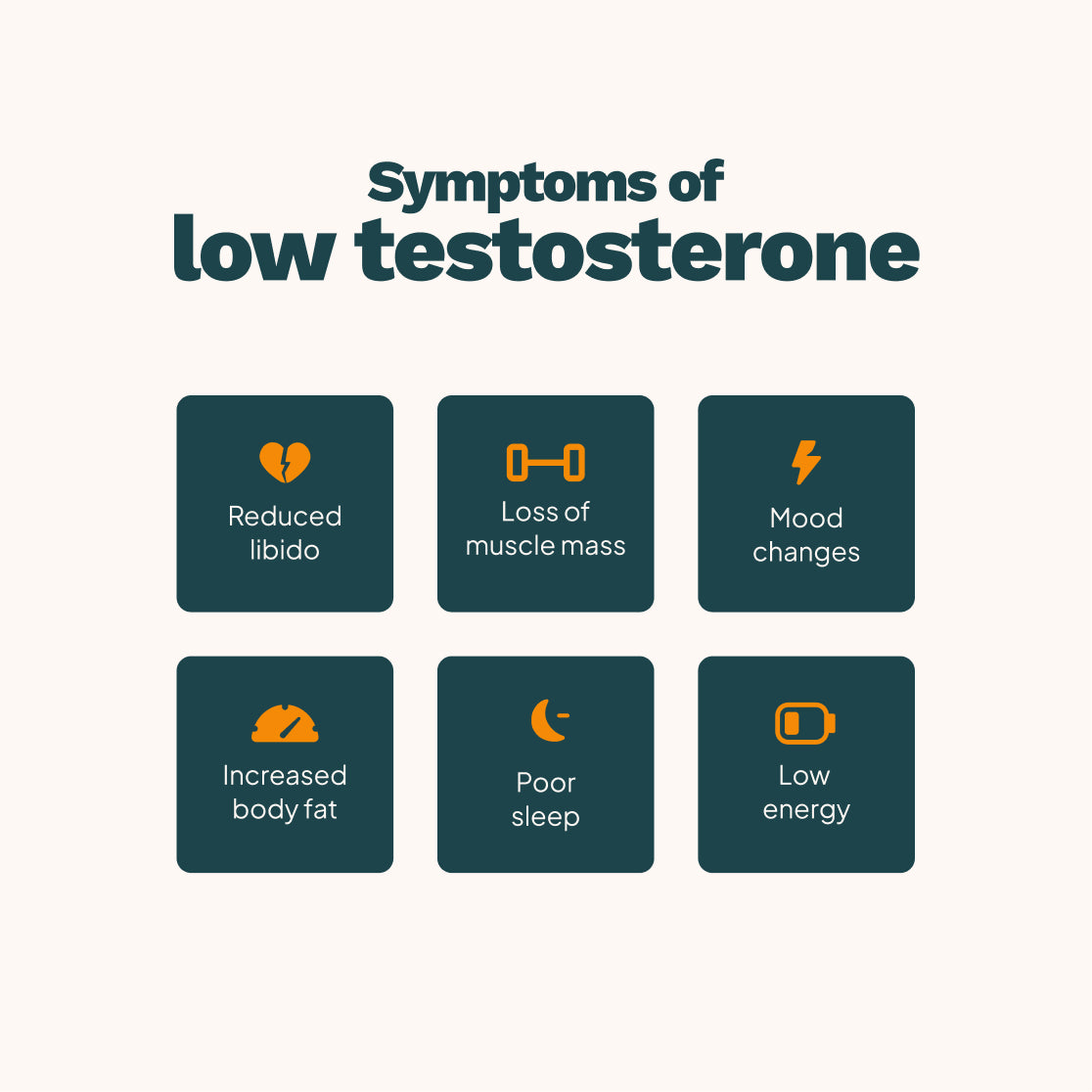
Testosterone replacement therapy (TRT) is a medical treatment used to restore testosterone levels in men with clinically low testosterone. By bringing levels back into a healthy range, TRT can help improve symptoms like low energy, reduced libido, low mood, brain fog, and loss of muscle mass.
If you think your testosterone levels are low, our simple Testosterone Blood Test can provide you with answers.

What are the different types of TRT?
TRT is usually administered in one of three ways.
3 types of TRT:
- Injectable TRT — Testosterone is injected either into the muscle (intramuscular) or into the fat, just under the skin (subcutaneous).
- Topical TRT — Creams or gels are rubbed into the skin and absorbed into the bloodstream.
- Oral TRT — Capsules are swallowed, usually twice a day.
TRT types comparison table
| TRT type | How it's taken | Frequency | Key advantages | Potential drawbacks |
|---|---|---|---|---|
| Injectable TRT | Injection into muscle or fat (IM or subcutaneous) | Every few days to several weeks depending on ester | Highly effective; reliable and predictable results; long- and short-acting preparations available; precise dosage control; quick results | Requires injections; possible injection site irritation; testosterone levels may trough between injections |
| Creams and gels | Applied to skin (arms, shoulders, abdomen, or scrotum) | Daily | Easy to apply; easy to adjust dosing; no injections required; smaller risk of side effects compared to injectables | Some men don't respond well or reach adequate testosterone levels; low risk of transfer; can be messy; possible skin irritation |
| Oral capsules | Swallowed with food | Usually twice daily | No injections required; portable and travel friendly; no risk of transfer associated with creams or gels | Must be taken with food for proper absorption; may increase blood pressure; possible gastrointestinal side effects; may not achieve peak testosterone levels |
Injectable TRT
Injectable TRT is the most popular form and for good reason. Injections are very effective, deliver reliable results, and their dose can be fine-tuned.
There are many different types of injectable TRT, called esters, which have different properties. Each ester is absorbed and processed by the body at various rates. This means there are both long- and short-acting preparations to suit different lifestyles.
Understandably, some men don’t enjoy the idea of self-injecting. But some types of TRT can be administered subcutaneously, into the fat just beneath the skin. These injections use very small needles and many men say they barely feel a thing.

Pros of injectable TRT:
- Highly effective
- Reliable and predictable results
- Long- and short-acting preparations available
- Precise dosage control
- Quick results
Cons of injectable TRT:
- Not ideal for men with a severe needle phobia
- Potential for irritation or discomfort at the injection site
- Slightly higher risk of side effects compared with gels
- Testosterone levels may trough between injections
There are several injectable preparations to choose from.
Which testosterone is used for TRT injections?
Injectable TRT uses testosterone that has been chemically modified into testosterone esters. An ester is a small chemical chain attached to the testosterone molecule that controls how quickly it is released into the bloodstream after injection.
Different esters break down at different speeds, which is why some injections need to be given weekly, while others can last several weeks between doses.
Common testosterone esters used in TRT include:
Testosterone enanthate
One of the most widely prescribed forms of TRT. It is typically injected every 5–10 days and provides stable testosterone levels for most men.
Testosterone cypionate
Very similar to enanthate and commonly used in the US. It has a comparable half-life and is usually injected weekly or every 7–10 days.
Testosterone undecanoate
A long-acting preparation that can last much longer between injections. In clinical settings it may be administered every 10–14 weeks, though it must be given under medical supervision.
Testosterone propionate
A short-acting ester that works quickly but requires more frequent injections, often every 2–3 days. It is used less commonly for routine TRT but may be used in specialist protocols.
Your TRT specialist will help determine which preparation is most suitable based on your symptoms, blood test results, lifestyle, and treatment goals.
Intramuscular vs subcutaneous testosterone injections
Injectable TRT can be given in two different ways: intramuscular (IM) or subcutaneous (SubQ) injections.
Intramuscular injections are delivered deep into a muscle, usually the thigh or glute. This has traditionally been the most common way testosterone injections are given.
Subcutaneous injections are given into the fatty tissue just beneath the skin, often around the abdomen or thigh. These injections use much smaller needles and many men find them more comfortable.
Your TRT clinician will advise which injection method is most appropriate for your treatment plan. Book a TRT consultation today or get started with a Testosterone Blood Test.
Creams and gels
Cost: About £55–120 per month.
Administration: Topical.
TRT creams and gels are rubbed into the skin, where it’s gradually absorbed into the bloodstream.
Creams are thicker, oil-based, and best applied to thinner skin areas, like the scrotum. On the other hand, gels are alcohol- or water-based and are typically applied to the arms, shoulders, or belly.

Pros of TRT creams and gels:
- Easy to apply
- Easy to adjust dosing
- No injections required
- Gels especially are a well-established form of TRT
- Smaller risk of side effects compared to injectables
Cons of TRT creams and gels:
- Some men don’t respond well or reach adequate testosterone levels
- Low but possible risk of transfer through skin contact — must be particularly careful around pregnant women or children
- Can be messy to apply
- Must avoid washing, swimming, or activities that make you sweat for a few hours after application
- Absorption varied based on skin thickness and application site
- Possible skin irritation or reactions
Broadly speaking, two types exist — scrotal creams (applied to the scrotum) and testosterone gels. Gels are applied to the arms, shoulders, or belly.
Capsules
Some men prefer capsules because there is no injecting or messy creams, just a couple of capsules twice a day. Newer preparations are much safer on the liver, reducing the risk of side effects.
Capsules are usually taken twice a day and are effective for most men. You can expect to pay about £80 to £180 per month, depending on the dose you need.

Pros of oral TRT:
- Option for men uncomfortable with injections
- Portable and travel-friendly
- No risk of transfer to partners and children associated with creams or gels
Cons of oral TRT:
- Must be taken with food for proper absorption
- May increase blood pressure which can contribute to cardiovascular risk
- Possible gastrointestinal side effects like nausea or diarrhoea
- May not achieve the same peak testosterone levels as injectables
Which type of TRT is best?
Every treatment type comes with its pros and cons, but ultimately the right choice for you will depend on the outcome of your consultation. There are lots of factors to consider. Here's a quick reminder:
Injectables
- Best for: consistent testosterone levels and less frequent administration
- Not ideal if: you're less keen on injections, though subcutaneous options exist
Creams and gels
- Best for: easy application and dose changes
- Not ideal if: daily application is inconvenient for you or if you have close contact with kids and partners (risk is small but possible)
Capsules
- Best for: ease of use
- Not ideal if: you're on a tighter budget

Still stumped?
That’s what we’re here for. Whether you’ve just found out you’ve got low testosterone or if you’re already on TRT, you have options. Book a TRT consultation today or get started with a Testosterone Blood Test.
Not sure where to start? Use our simple Get Started tool.

Share:
What’s an ideal testosterone level on TRT?
Signs and symptoms of low testosterone