


Dr James Greenwood
MBCHB, MRCGP
TRT Doctor
You may be experiencing symptoms associated with low testosterone, such as fatigue, low mood, reduced concentration, or a lower sex drive. As you explore potential treatments, two terms often come up: testosterone replacement therapy (TRT) and anabolic steroids.
Although they are related, they are not the same. TRT is a medically prescribed treatment for testosterone deficiency, whereas anabolic steroids are often used in non-medical contexts, typically at much higher doses.
Understanding the distinction is important when considering safety, effectiveness, and legal status.
- What is TRT?
- What are anabolic steroids?
- Is TRT the same as steroids?
- Is TRT legal in the UK?
- Is TRT healthy?
- What are the risks of steroid abuse?
- Is TRT right for me?
What is testosterone replacement therapy (TRT)?
TRT (testosterone replacement therapy) is a medically supervised treatment used to restore hormone levels in men with clinically low testosterone, also known as testosterone deficiency or hypogonadism.
It’s prescribed by a doctor, tailored to your needs, and closely monitored with regular blood tests. The aim is to bring your testosterone back to a level that supports your mental clarity, energy, bone density, muscle mass, and overall health, not to push you into extremes.
The aim of TRT is to restore testosterone levels to within a physiological range and to improve symptoms associated with deficiency, rather than to achieve supraphysiological levels.
What are anabolic steroids and how are they used?
Anabolic androgenic steroids are synthetic derivatives of testosterone. Medically, they may be prescribed for certain conditions, but they are also used non-medically to increase muscle mass, strength, or physical performance.
In the UK, anabolic steroids are classified as Class C drugs. They are legal to possess for personal use, but it is illegal to supply or produce them without a prescription.
Non-medical use often involves higher doses than would be prescribed clinically, sometimes combining multiple compounds (“stacking”) or using them in cycles. These practices are not medically supervised and may increase the risk of adverse effects.
TRT vs steroids: key differences
Although both TRT and anabolic steroids involve testosterone or related compounds, they differ significantly in purpose, dosing, and medical oversight.
TRT |
Steroids |
|
Prescribed by a clinician |
May be used without medical supervision |
|
Used to treat diagnosed testosterone deficiency |
Often used to enhance performance or appearance |
|
Regular monitoring with blood tests |
Monitoring may be absent or inconsistent |
|
Prescribed within UK medical regulations |
Possession legal for personal use, but supply is illegal |
Is TRT the same as steroids?
TRT uses testosterone, which is technically an anabolic steroid. However, the key difference lies in how and why it is used.
- TRT is prescribed to treat a diagnosed medical condition
- Doses are designed to restore normal hormone levels
- Treatment is monitored by a clinician
In contrast, non-medical steroid use typically involves higher doses and is not aimed at restoring health, but at enhancing physical performance or appearance.
Is TRT legal in the UK?
TRT is legal in the UK when prescribed by a qualified healthcare professional. As with any prescription medication, treatment should only begin following appropriate clinical assessment, including blood testing and symptom evaluation.
Ongoing monitoring is required to ensure treatment remains safe and appropriate over time.
For more information, read our guide to getting TRT in the UK.
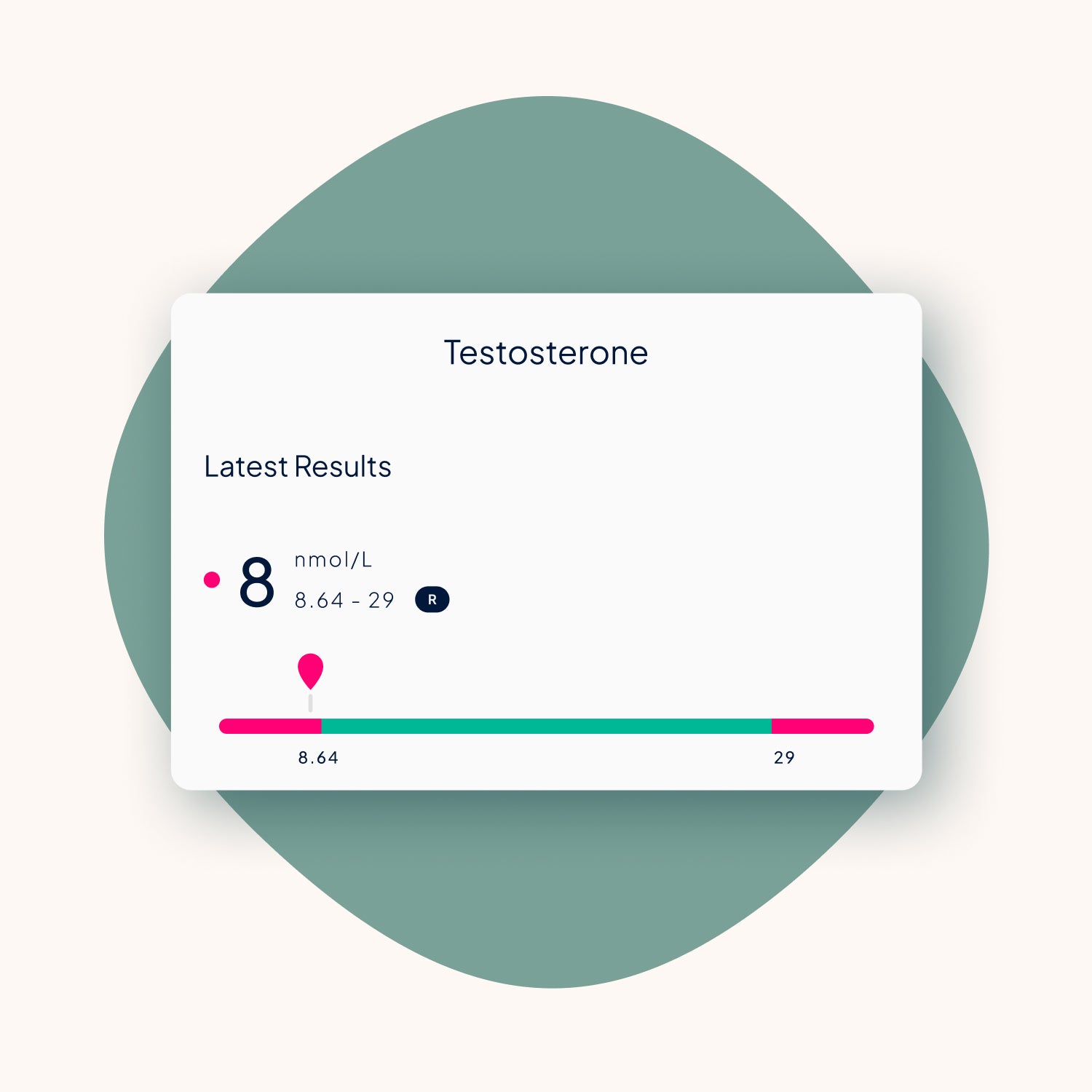
If you are experiencing symptoms of low testosterone, our at-home Testosterone Blood Test can provide insights, and actionable next steps.

Is TRT safe?
TRT can be an effective treatment for men with confirmed testosterone deficiency when prescribed appropriately and monitored regularly.
Potential benefits may include improvements in:
- Energy levels
- Sexual function
- Mood
- Bone density
- Body composition
However, TRT is not suitable for everyone and may carry risks. These can include changes in red blood cell count, fertility suppression, and potential cardiovascular considerations.
Safe use of TRT requires:
- Regular blood testing
- Ongoing clinical review
- Appropriate dose adjustments
TRT isn’t for everyone, and it’s not risk-free. That’s why an experienced clinician, like our team at Leger, should always manage it.
Risks associated with non-medical steroid use
The use of anabolic steroids without medical supervision is associated with a range of potential health risks, particularly when used at high doses or over prolonged periods.
These may include:
- Cardiovascular complications
- Liver dysfunction
- Hormonal disruption, including infertility
- Mood and behavioural changes
- Gynecomastia
- Testicular atrophy
Some studies suggest that long-term use may be associated with an increased risk of cardiovascular disease.
Is TRT right for you?
TRT may be considered if you have symptoms of low testosterone alongside confirmed low levels on blood testing.
Assessment by a clinician is essential to determine whether treatment is appropriate, and to discuss potential benefits and risks.
If you are concerned about your testosterone levels, a blood test is the first step in understanding whether further evaluation is needed.
Take the first step to find out if you're eligible for TRT with a Testosterone Blood Test.
Not sure where to start? Use our simple Get Started tool.
Frequently asked questions
Is TRT a steroid?
Testosterone is classified as an anabolic steroid. However, when used as part of TRT, it is prescribed at controlled doses to treat testosterone deficiency under medical supervision.
Is TRT the same as taking steroids for bodybuilding?
No. TRT aims to restore testosterone to normal physiological levels, whereas anabolic steroids used for bodybuilding are typically taken at higher doses and without medical supervision.
Is TRT legal in the UK?
Yes, TRT is legal when prescribed by a licensed healthcare professional following appropriate clinical assessment.
References
- Morales-Soto W, Gulbransen BD. Enteric Glia: A New Player in Abdominal Pain. Cell Mol Gastroenterol Hepatol. 2019;7(2):433-445. doi: 10.1016/j.jcmgh.2018.11.005. Epub 2018 Nov 24. PMID: 30739868; PMCID: PMC6369218.
- Langsted A, Madsen CM, Nordestgaard BG (Helvev Hospital, Herlev; Herlev and Gentofte Hospital, Copenhagen University Hospital; University of Copenhagen, Copenhagen, Denmark). Contribution of remnant cholesterol to cardiovascular risk (Original). J Intern Med; 2020; 288: 116–127. https://doi.org/10.1111/joim.13059


Share:
Erectile dysfunction: what it means and what to do next