



Drinking can lower testosterone, especially if you drink heavily or regularly over a long period. Alcohol can affect the testes, where most testosterone is made, as well as the signals from the brain that control hormone production. The occasional drink within the UK guideline of 14 units a week appears to have a much smaller effect.
If you’ve noticed changes in your energy, sleep, weight or sex drive and you drink most weeks, you may be wondering whether alcohol is playing a part. This article explains how alcohol affects testosterone in the short and long term, what it means for sexual function, weight, and liver health, and what may change when you cut down. If your symptoms continue after cutting back, a blood test is the only way to know your testosterone level for sure.
Contents
- Does alcohol lower testosterone?
- Why does long-term drinking affect testosterone?
- Alcohol and sexual function
- Alcohol, weight, and belly fat
- Alcohol and hormones
- Why liver health matters for your hormones
- What happens when you reduce alcohol consumption?
- Should you take a testosterone blood test?
- Can you drink alcohol while on TRT?
- How much alcohol is too much?
Does alcohol lower testosterone?
A 2024 report combined 21 studies involving more than 10,000 men. In its analysis of chronic alcohol exposure, total testosterone was approximately 4.9 nmol/L lower among drinkers than abstainers.
Chronic drinking was found to disrupt hormone signalling between the brain and testes and damage the cells that produce testosterone. This resulted in lower free testosterone and sex hormone-binding globulin (SHBG) levels and raised oestradiol levels [1].
An exact amount of alcohol that causes testosterone levels to drop hasn’t been identified, and not every man who drinks regularly will develop low testosterone. However, the evidence shows that an occasional drink is unlikely to cause lasting suppression, but repeated, excessive alcohol consumption can reduce testosterone over time.
|
Drinking pattern |
Possible effect |
|
Occasional, moderate drinking |
May cause small, temporary hormonal changes, but there’s no clear evidence of lasting testosterone suppression. |
|
Heavy or binge drinking |
Can interfere with sleep, sexual performance, recovery, and short-term hormone production. |
|
Frequent, long-term drinking |
Is more consistently associated with lower total and free testosterone. |
Why does long-term drinking affect testosterone?
Testosterone production relies on communication between the brain, pituitary gland, and testes. This is known as the hypothalamic-pituitary-gonadal axis.
Alcohol can interfere with the signals travelling through this system. It may also affect the Leydig cells in the testes, which make testosterone. Inflammation, oxidative stress, and acetaldehyde, a toxic substance produced as alcohol is broken down, may contribute.
Some effects are indirect. Drinking can disrupt sleep, reduce exercise quality, encourage weight gain, and make it harder to maintain a balanced diet. Each of these can affect testosterone independently.
There’s no convincing evidence that beer is worse for testosterone than wine or spirits when the alcohol content is equivalent. The total amount of ethanol, frequency, and drinking patterns are more important than the type of drink.

Alcohol and sexual function
Alcohol can reduce inhibition, but that doesn’t mean it improves sexual performance. In the short term, it depresses the central nervous system and can interfere with arousal, sensation, coordination, and blood flow.
Difficulty getting or maintaining an erection after drinking doesn’t necessarily mean your testosterone has suddenly fallen. The immediate problem is more likely to involve nerve signals, blood flow, dehydration, tiredness, and reduced sensitivity.
Long-term heavy or binge drinking is associated with erectile dysfunction, ejaculatory difficulties, reduced libido, and poorer sexual satisfaction. These problems may involve testosterone, but blood vessels, nerves, liver health, mood, and relationships also matter.
Alcohol, weight, and belly fat
Alcohol provides seven calories per gram, almost as many as fat, which provides nine. A pint of strong lager can contain more than 200 calories.
Those liquid calories are easy to overlook. Alcohol can also increase appetite, reduce food restraint, and make late-night, high-calorie food more appealing. Over time, this can contribute to weight gain and a larger waist.
Obesity and low testosterone can reinforce each other. Greater fat mass is associated with lower SHBG and may increase the conversion of testosterone into oestradiol. Low testosterone can also make it harder to preserve muscle and maintain an active lifestyle.
Alcohol and hormones
Testosterone isn’t the only hormone that alcohol can influence. Its effects extend to systems involved in stress, hydration, metabolism, and reproductive health.
A large amount of alcohol can activate the body’s stress response and raise cortisol. With frequent, heavy drinking, this response may become poorly regulated, affecting normal cortisol release.
Alcohol also suppresses vasopressin, the hormone that tells the kidneys to retain water, which helps explain the increased urination and thirst that often follow drinking.
Long-term heavy alcohol use has also been associated with raised prolactin. In men, persistently high prolactin can interfere with reproductive hormone signalling and contribute to reduced libido.
Alcohol may also disrupt insulin, glucagon, and thyroid hormone regulation, although these effects are more commonly seen with sustained, excessive drinking than occasional alcohol use [2].
An abnormal hormone result doesn’t prove that alcohol is responsible. Results need to be interpreted alongside symptoms, medication, general health, and the amount and frequency of drinking.
Why liver health matters for your hormones
The liver helps process alcohol and regulate sex hormones. It also produces SHBG, the protein that carries much of the testosterone in your blood.
Heavy drinking can cause fat to accumulate in the liver and may eventually lead to inflammation, fibrosis, or cirrhosis. As liver function changes, SHBG, testosterone, and oestradiol can all be affected.
This creates an important testing issue. Liver disease can alter SHBG, which may make total testosterone harder to interpret. A result that appears normal or abnormal may not tell the full story. A clinician may need to consider SHBG and calculated free testosterone in addition to total testosterone.
What happens when you reduce alcohol consumption?
Reducing or stopping alcohol may help testosterone recover if drinking is contributing to the problem. It can also improve several factors that influence hormone health, including:
- Sleep quality
- Calorie intake and weight
- Exercise recovery
- Blood pressure and triglycerides
- Liver health
- Sexual confidence and erectile function
There isn’t a guaranteed timetable. Some changes, such as better sleep and fewer hangovers, may appear quickly. Hormonal recovery may take longer and will depend on how much you drank, how long the pattern continued, and whether there’s underlying liver or testicular damage.
Should you take a testosterone blood test?
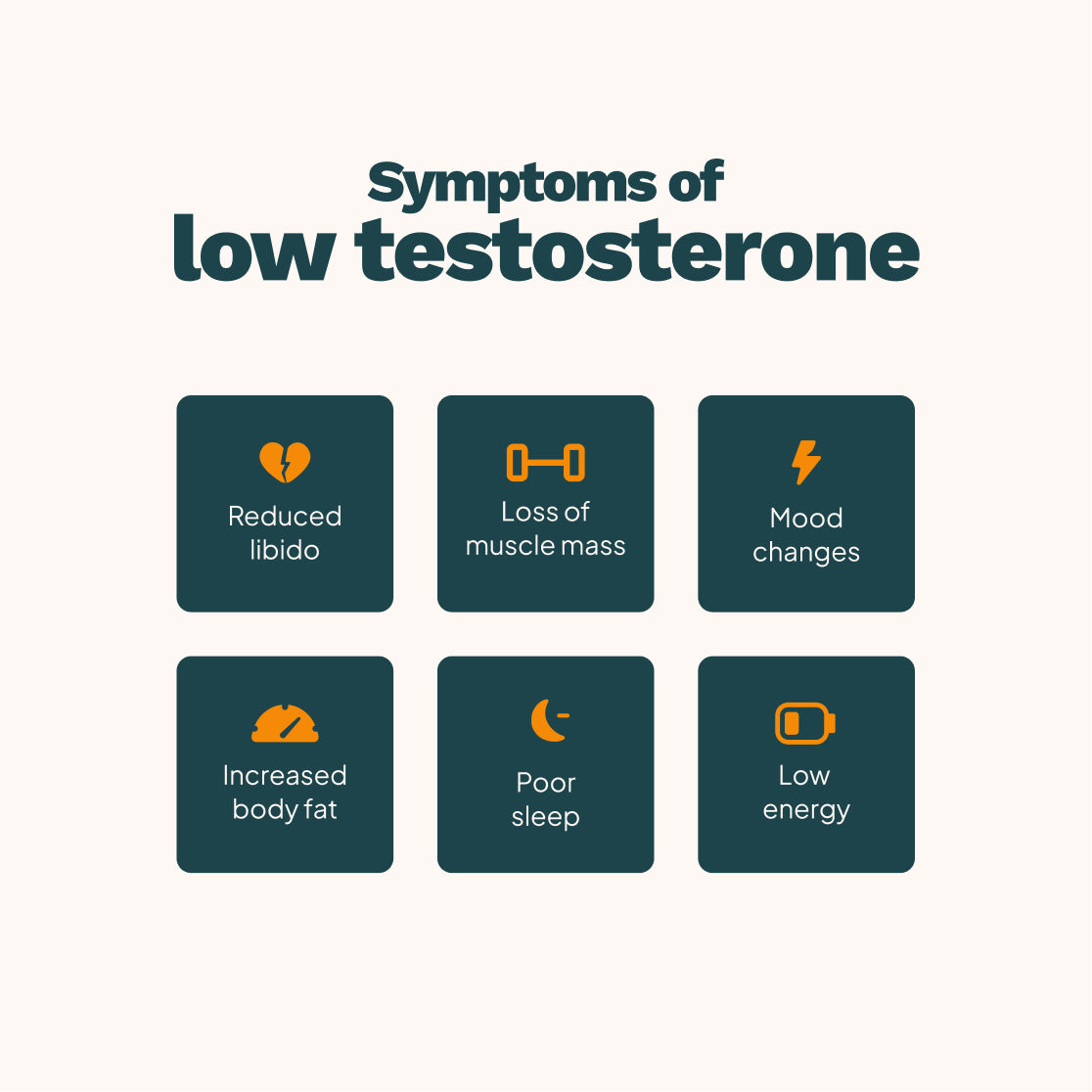
Consider taking a testosterone blood test if you’re experiencing reduced libido, erectile difficulties, persistent fatigue, or loss of strength. Especially if these symptoms continue after you’ve reduced your drinking.
Testosterone deficiency shouldn’t be diagnosed based on a test taken during illness or on a single unexpected result. UK guidance recommends at least two morning testosterone tests, interpreted alongside symptoms, SHBG, free testosterone, and other relevant hormones [3].
Be open with your clinician about how much you drink. This helps them interpret your results and assess whether alcohol, weight, medication, or another health problem could be contributing to your symptoms.
Can you drink alcohol while on TRT?
An occasional drink won’t automatically cancel the effects of testosterone replacement therapy (TRT). However, heavy or frequent drinking can worsen several issues that TRT monitoring assesses, including weight, blood pressure, sleep, sexual function, and general metabolic health.
If you’re taking TRT, don’t change your dose because you’ve been drinking. Discuss your alcohol intake with your clinician and continue attending your monitoring appointments.
How much alcohol is too much?
There’s no recognised “testosterone-safe” alcohol limit. The UK recommendation of no more than 14 units a week is designed to reduce general health risks, not to guarantee healthy testosterone levels. If you drink 14 units, they should be spread across at least three days, with several alcohol-free days each week [4].
If you experience shaking, sweating, nausea, anxiety, or a racing heartbeat when you stop drinking, seek medical advice before attempting to quit suddenly. Alcohol withdrawal can be dangerous if you’re physically dependent.
Not sure where to start? Use our simple Get Started tool.
References
-
Santi, D., Cignarelli, A., Baldi, M., Sansone, A., Spaggiari, G., Simoni, M. and Corona, G. (2024) ‘The chronic alcohol consumption influences the gonadal axis in men: results from a meta-analysis’, Andrology, 12(4), pp. 768–780.
-
Molina, P.E. and Simon, L. (2026) ‘Alcohol and the endocrine system: A critical review of disruptions, potential mechanisms, and health implications’, Alcohol: Clinical and Experimental Research. (Accessed 25 September 2026)
-
Hackett, G., Kirby, M., Edwards, D., Jones, T.H., Wylie, K., Ossei-Gerning, N. et al. (2023) ‘The British Society for Sexual Medicine guidelines on male adult testosterone deficiency, with statements for practice’, World Journal of Men’s Health, 41(3), pp. 508–537.
-
Department of Health and Social Care (2016) Alcohol consumption: advice on low-risk drinking. (Accessed 24 September 2026)

Share:
What’s an ideal testosterone level on TRT?
Wegovy vs Mounjaro for men: what’s the difference?